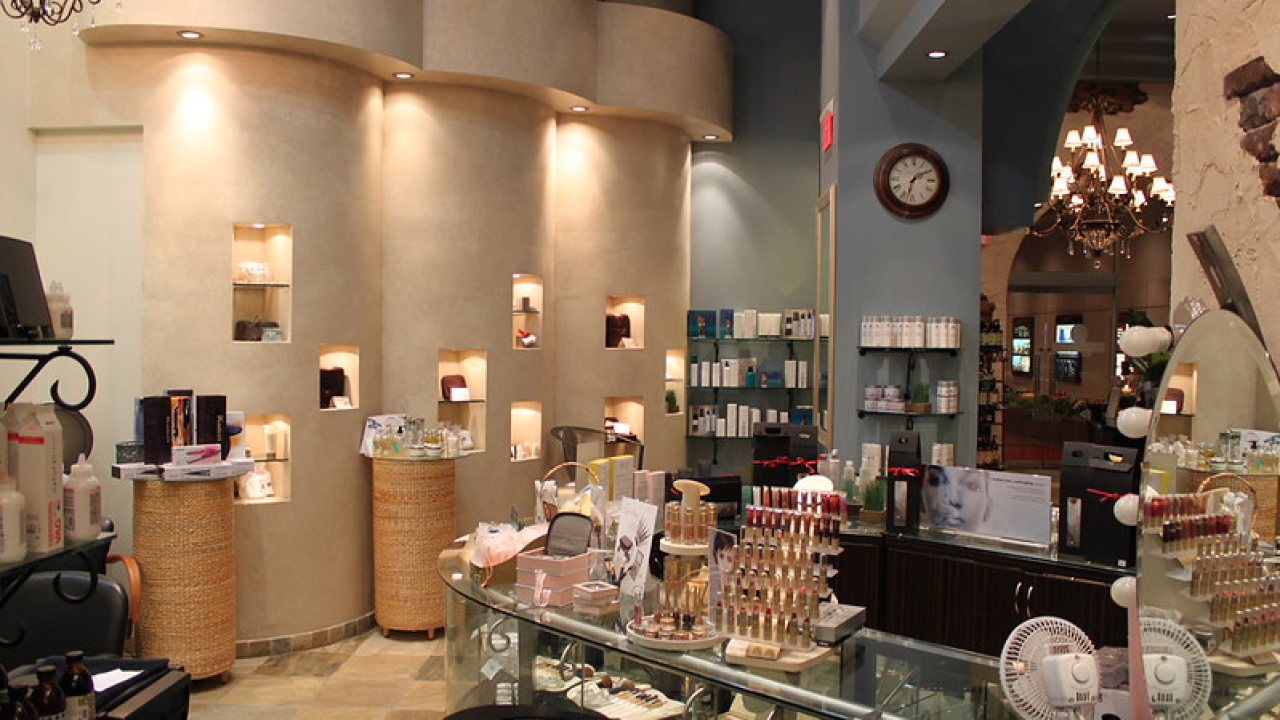
The first parlour I walked into with a box of facial bombs was a four-chair place in Sector 15, Faridabad. The owner let me speak for about forty seconds and then asked three questions: what is the price per piece, what is the minimum I have to take, and can you deliver by Thursday. I had rehearsed my ingredients story for a week. She never asked about it.
The short version
- Salons buy for margin, consistency and supply, not for your story. To sell to salons wholesale, answer those three things in the first minute.
- Price at no less than twice your fully loaded cost. Below that, every reorder makes you poorer.
- Carry a sample kit, not a pitch. One in four or five parlours that tries a kit places an order.
- Minimum order 24–30 pieces or ₹1,500. Advance payment for the first three orders. No credit, ever, from a home kitchen.
- Facial bombs, wax powder and face packs are the products parlours reorder monthly. Start there.
Most of us start by selling one jar at a time to friends, then friends of friends. It works, and it is slow. A parlour that does eight facials a day uses more product in a week than your WhatsApp list buys in a month, and it buys again on the first of every month without being reminded.
The catch is price. Wholesale means accepting roughly half of what a retail customer pays, in exchange for thirty pieces instead of one and a reorder you can plan around. Whether that trade is worth it depends entirely on where your cost sits, and most beginners have never worked their cost out.
What follows is how I approach a parlour, what I carry, what I charge, and what I refuse. It is written for the products we teach: facial bombs, wax powder, face packs, ubtan, bath salts and hair masks. The method is the same for anything a salon uses up.
Why salonsThe maths from the parlour's side
A facial in a neighbourhood parlour is priced at ₹800–₹2,500. The product used in it, whether a facial bomb or a pack and a scrub, costs the salon ₹60–₹150. Product is a small part of the bill; the chair, the staff and the rent are the rest. This tells you two things.
First, the owner is not price-sensitive about ₹10 a piece. She is sensitive about a product that irritates a client's skin, arrives late, or changes colour between batches. Second, she wants something she can name on her menu: "24K gold facial", "chocolate wax". A product with a name she can charge more for is worth more to her than a cheaper unbranded one.
That is why the products that do well in salons are the ones that make a visible service, not the ones that are cheapest.
What they reorderThe products a parlour buys every month
| Product | Salon pays, per unit | 3–5 chair parlour uses per month | Reorder cycle |
|---|---|---|---|
| Facial bomb, single use, 15–20 g | ₹45–₹90 | 40–80 pieces | Monthly |
| Wax powder, 500 g pack | ₹180–₹320 | 6–12 packs | Monthly |
| Face pack, 500 g tub | ₹220–₹400 | 3–6 tubs | 4–6 weeks |
| Ubtan or scrub, 500 g tub | ₹200–₹350 | 2–4 tubs | 6 weeks |
| Bath salt for pedicure, 1 kg | ₹150–₹260 | 3–5 packs | 6–8 weeks |
| Hair mask, 500 g tub | ₹250–₹450 | 2–3 tubs | 6–8 weeks |
Notice the pack sizes. A salon does not want your 50 g retail jar; it wants a 500 g tub with a scoop, and it wants the price per gram to reflect that. Facial bombs are the exception: they are single-use by design, which is exactly why parlours love them and why they are the best first product to carry in. Anju's facial bomb guide and wax powder guide cover the making; this article is about the selling.
The price floorSell to salons wholesale at 2× cost, never less
Here is the number that decides whether salon wholesale is a business or a hobby. Work out the fully loaded cost of one unit: materials, packaging, your time at an hourly rate, wastage and a share of overheads. Anju's pricing article shows how to do this line by line. Then set the wholesale price at no less than twice that number, and the retail price at roughly twice the wholesale.
A worked example, with my assumptions visible. A 20 g facial bomb costs me ₹22 in materials, ₹4 in a pouch and label, ₹6 in time and ₹3 in wastage and overheads: ₹35 loaded. The wholesale floor is ₹70. I quote ₹75 for orders of 30 and ₹65 for orders of 100 or more, and the same bomb retails at ₹149 in a box of one. The parlour uses it in a ₹1,200 facial.
At ₹70 wholesale, thirty pieces a month is ₹2,100 in revenue and about ₹1,050 kept, from one parlour, for roughly four hours of making and one delivery. Five parlours is a little over ₹5,000 a month kept, and it repeats.
What happens below the floor is worse than it looks. At ₹45 you keep ₹10 a piece; a single bad batch or a missed delivery wipes out three months. The owner who beat you down to ₹45 will also be the one who pays late.
Say "then take theirs for the basic facial and mine for the premium one", and leave the sample. Half the time the ₹40 product is a factory pack she has not tried yet. You are not competing with it; you are the thing she puts on the menu at a higher price.
A salon owner will never remember your ingredients. She will remember whether the box arrived on Thursday. — the rule I learned in Sector 15
The approachHow to sell to salons wholesale: the walk-in
- List twenty parlours within 5 kmGoogle Maps, then a walk. Skip the chains; they buy centrally. The two-to-six-chair independents are your customers.
- Go between 12 and 3 on a Tuesday, Wednesday or ThursdayMornings are bookings, evenings are rush, weekends are impossible. Ask for the owner by name if you have found it; if not, ask "who decides what products you use?"
- Say three things in one minuteWhat it is, what it costs the salon per use, and what she can charge for the service. "This is a 24K gold facial bomb, ₹75 a piece, one per facial; parlours around here list that facial at ₹1,500." Then stop talking.
- Hand over the sample kit and a one-page price sheetYour name, WhatsApp number, three to five products with wholesale prices at two quantities, minimum order, delivery terms, payment terms. Nothing else on the page.
- Ask her to try it on one client this weekNot on herself. On a paying client whose reaction she will see.
- Message on day sevenOne line: "Did the sample work for your client? Happy to bring 30 by Thursday." If no reply, one more message on day fourteen, then move on.
- Deliver the first order yourself, on timeWith an invoice, even a hand-filled one, and a printed reorder card that says "order again on WhatsApp" with your number.
The sample kitWhat goes in it and what it costs
The kit is the pitch. Mine is a small kraft box with two facial bombs of different types, a 50 g pouch of wax powder, a 50 g jar of face pack and the price sheet. It costs me ₹140–₹220 to make and I carry ten at a time.
Give it freely, but only in person and only to the decision-maker. Never courier samples to a parlour that has not asked; they go in a drawer. Track them in a notebook: parlour, date, what was in it, when you followed up. In my experience one in four or five kits becomes an order, which makes each new account cost about ₹800–₹1,100 in samples. That is cheap compared to any advertising.
Two rules for the samples themselves. They must be from the same batch you will supply, packed exactly as the order will arrive; a beautiful sample and a plain order is how you lose the second order. And they must carry a label with the ingredients and a batch number, because the first thing a careful owner does is read it. Anju's labelling rules tell you what must be on it.
TermsMinimum order, delivery and payment
Write the terms on the price sheet so you never have to negotiate them at the counter.
- Minimum order: 24 or 30 pieces of bombs, or ₹1,500 of mixed products. Below that the delivery eats the margin.
- Delivery: free within your city above ₹3,000; ₹80–₹150 below that, or she collects. Outstation by courier at actual cost, and only after two local orders have gone well.
- Payment: full payment by UPI on delivery for the first three orders. From the fourth, 50 percent advance and the rest within seven days of delivery. Never thirty-day credit.
- Price validity: "prices valid for 90 days", so an ingredient rise is not an argument.
- Returns: replacement of any damaged or reacted product within seven days; no returns on opened tubs otherwise.
A salon that asks for thirty days is not a bad customer; it is a normal one. But you are buying materials in cash, and one ₹6,000 unpaid invoice is your whole next batch. Say "I am too small to give credit yet" and mean it. The good owners respect it; the others were going to pay late anyway.
Packaging for salonsTubs, not jars, and the white-label question
Retail packaging is for a customer who buys one and looks at it on a shelf. Salon packaging is for a person who opens it forty times with wet hands. That means 500 g PET tubs with a wide mouth and a scoop, resealable pouches for powders, and a label that survives being wiped. I buy tubs at ₹18–₹28 each in fifties; the same packaging lane that sells retail boxes has them, and the GyaanShala store carries the packaging sets we use for the retail side.
Sooner or later an owner will ask for the product without your name on it, with her salon's sticker instead. Decide your policy before it happens. I say yes above 100 pieces a month, at the same price, on the condition that my batch number and ingredients stay on the label. Below that quantity it is not worth losing the brand; every client who sees your name on the trolley is a retail customer you did not have to find.
MistakesFive ways this channel goes wrong
Underpricing to win the account. You will never get the price back up. Start at your floor and give a quantity discount instead.
One salon as most of your income. The moment a single parlour is half your sales, you work for her. Keep adding accounts until nobody is above a fifth.
Batches that drift. A slightly darker wax powder looks like a fault to an owner who does not know your recipe. Weigh everything, write it down, keep a retained sample of every batch.
No invoice. Even a printed pad from the stationery shop. It makes you a supplier, and it is what she needs to show her accountant.
Promising what a kitchen cannot make. Do not accept 300 pieces a week because she asked. Say what you can do this month and grow into the rest.
What nextStart with the product salons ask for first
If you are choosing what to walk in with, start with facial bombs. They are single-use, they carry a name the salon can put on the menu, and they are the fastest product to make in quantity from a home kitchen. The FacialBombShala course covers seven variants, 24K Gold, Diamond, Hydra, Charcoal, Licorice, Red Wine and Ubtan, then how to use them, pack them and sell them to salons and direct customers. Add wax powder in month two and you have the two things every parlour reorders.
Still unsureQuestions we get asked
How do I approach a salon to sell my products wholesale?
What wholesale price should I charge a salon?
What is a reasonable minimum order for a parlour?
Should I give salons credit or payment terms?
Which handmade products do salons reorder most often?

FacialBombShala — Facial Bomb Making Business Course
Make seven premium facial bombs at home — 24K Gold, Diamond, Hydra, Charcoal, Licorice, Red Wine and Ubtan — then pack…
Meenu Aggarwal
Meenu ran the chocolate, cake, masala and gift-hamper side of the family business and has assembled more Diwali orders than she can count. She writes about kitchens, packaging, festive timing and the products customers reorder.
0 comments
Log in to ask a question or share what happened when you tried this.