What you'll be able to do
- Make four dry facewash powders, one for each skin type
- Understand what every ingredient does, so you can adjust a formula
- Pack and seal so a powder stays dry and stable for months
- Price each jar from its real ingredient cost
- Label and brand a jar you can legally sell
What it costs, what it sells for
Cost per jar, worked through
Every ingredient priced so you know your cost before you set a price.
A powder does not expire like a cream
Longer shelf life means you can make a batch and sell it over months.
Sell locally before you sell online
Society groups, WhatsApp and parlours need no listing fees or minimums.
Everything inside this course
Module 0 · Start Here 2 Lessons · 5 min
Introduction — Dry Facewash
02:12
Know Your Products & Ingredients
02:53
Module 1 · The Four Formulations 4 Lessons · 13 min
The Basic Dry Facewash
03:07
Dry Facewash for Dry Skin
03:24
Dry Facewash for Oily Skin
03:43
Dry Facewash for Sensitive Skin
02:44
Module 2 · Using It 1 Lesson · 3 min
How to Use It on Your Skin
02:36
Module 3 · Packaging & Shelf Life 1 Lesson · 4 min
Packaging Your Dry Facewash Powders
04:10
Module 4 · Selling & Branding 1 Lesson · 3 min
Selling & Branding
03:28
Bonus · The Bilingual Handbook (PDF) 1 Lesson · 1 min
Dry Facewash Handbook — English + Hindi (PDF)
01:00
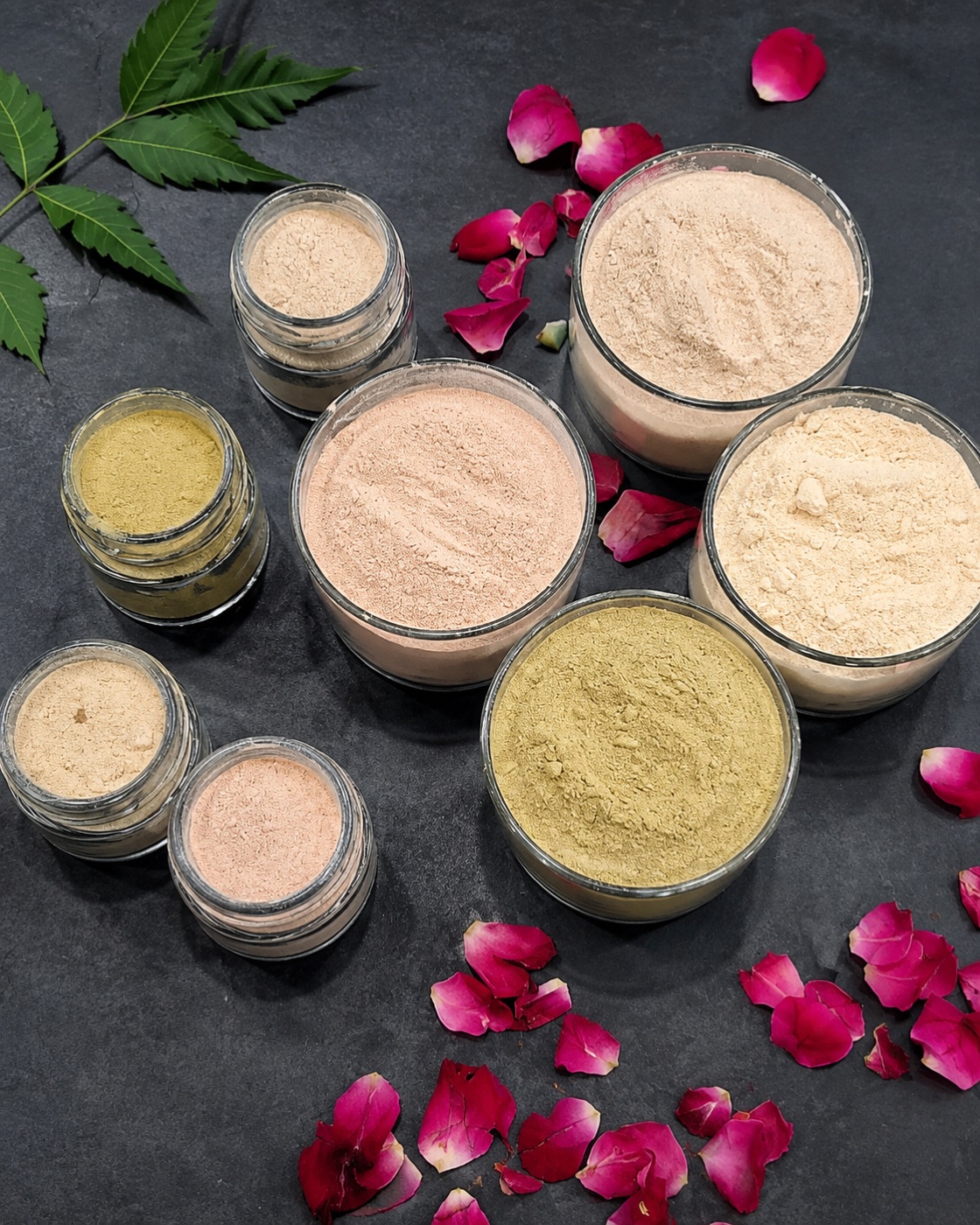
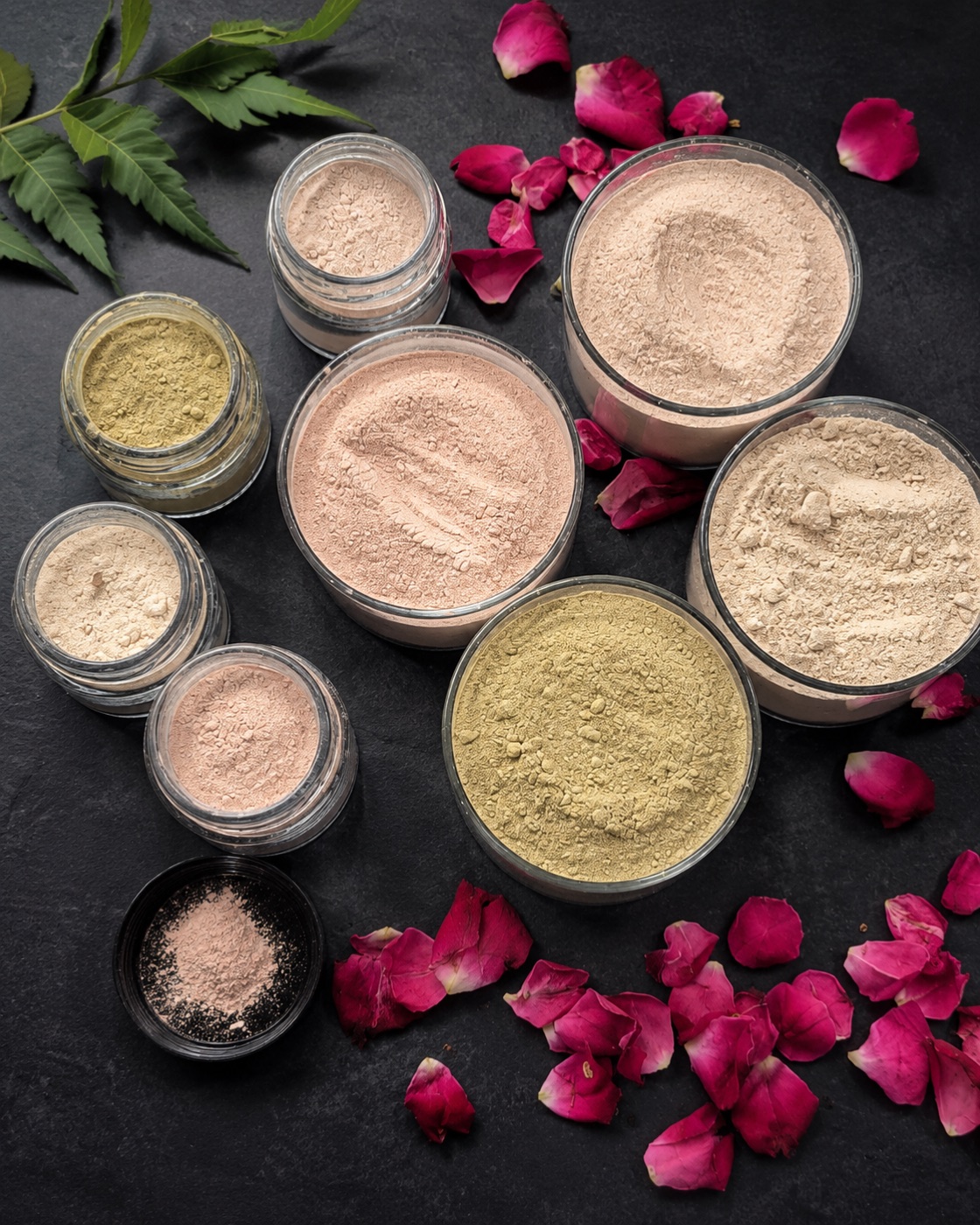
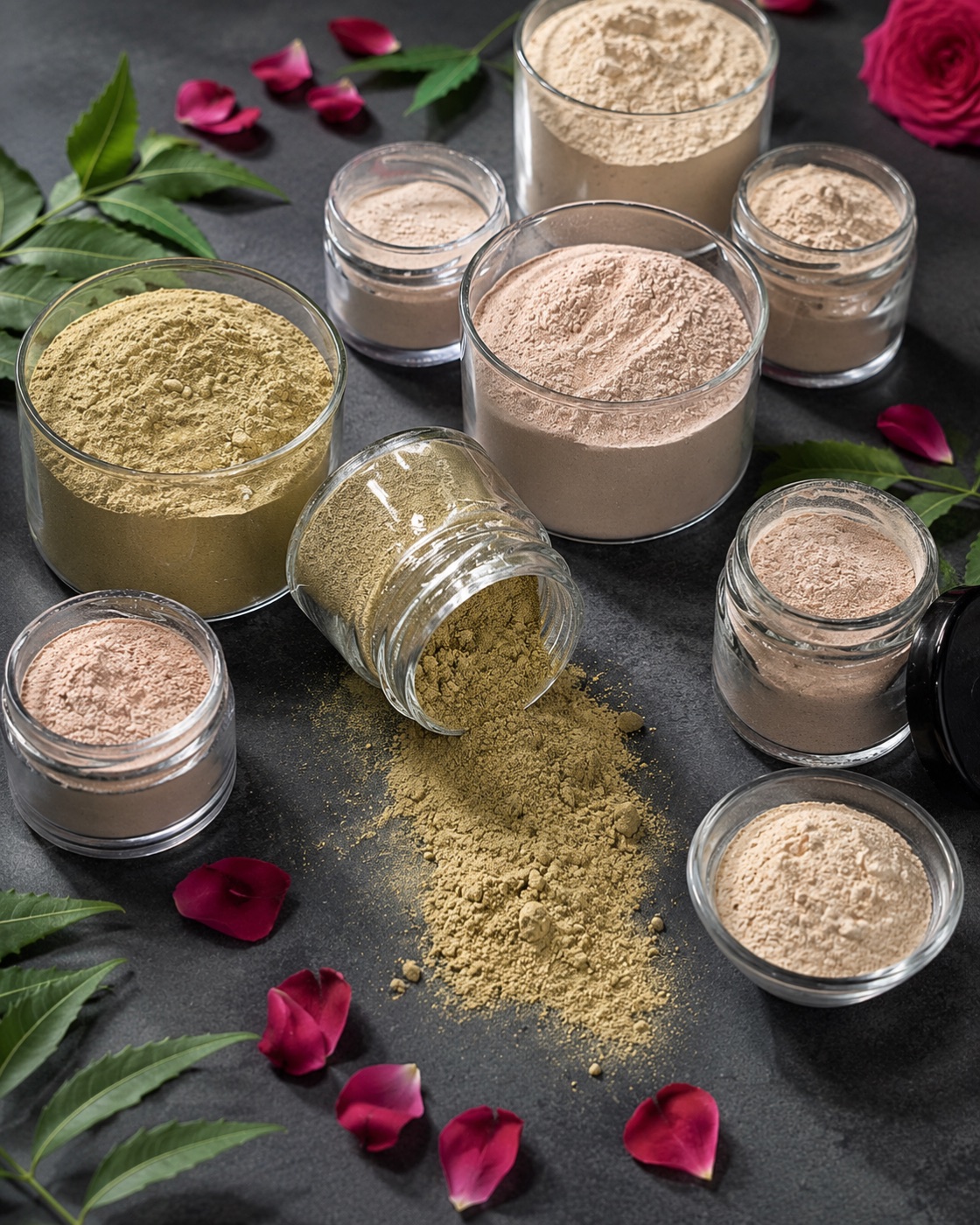
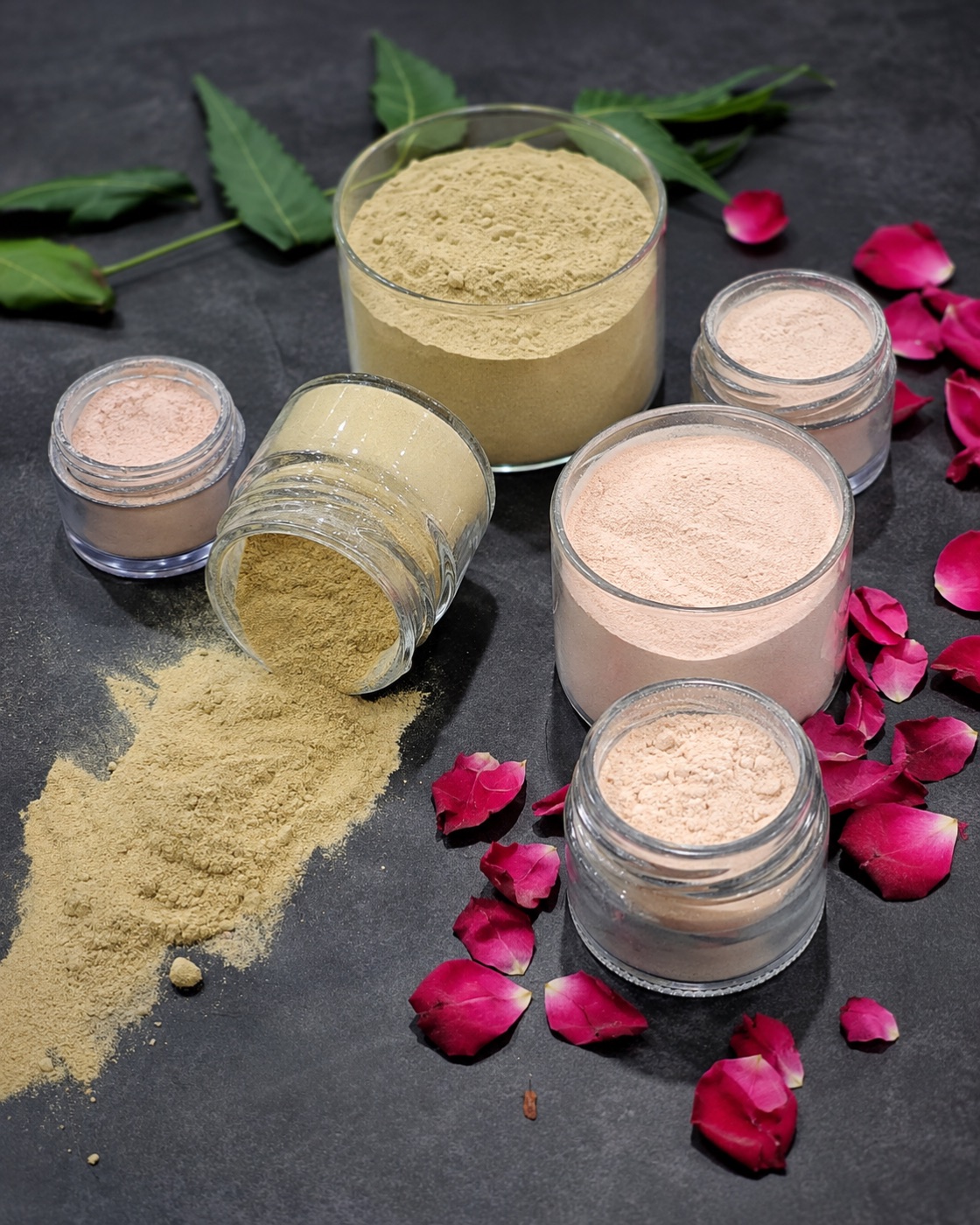
Four formulations you will be able to make
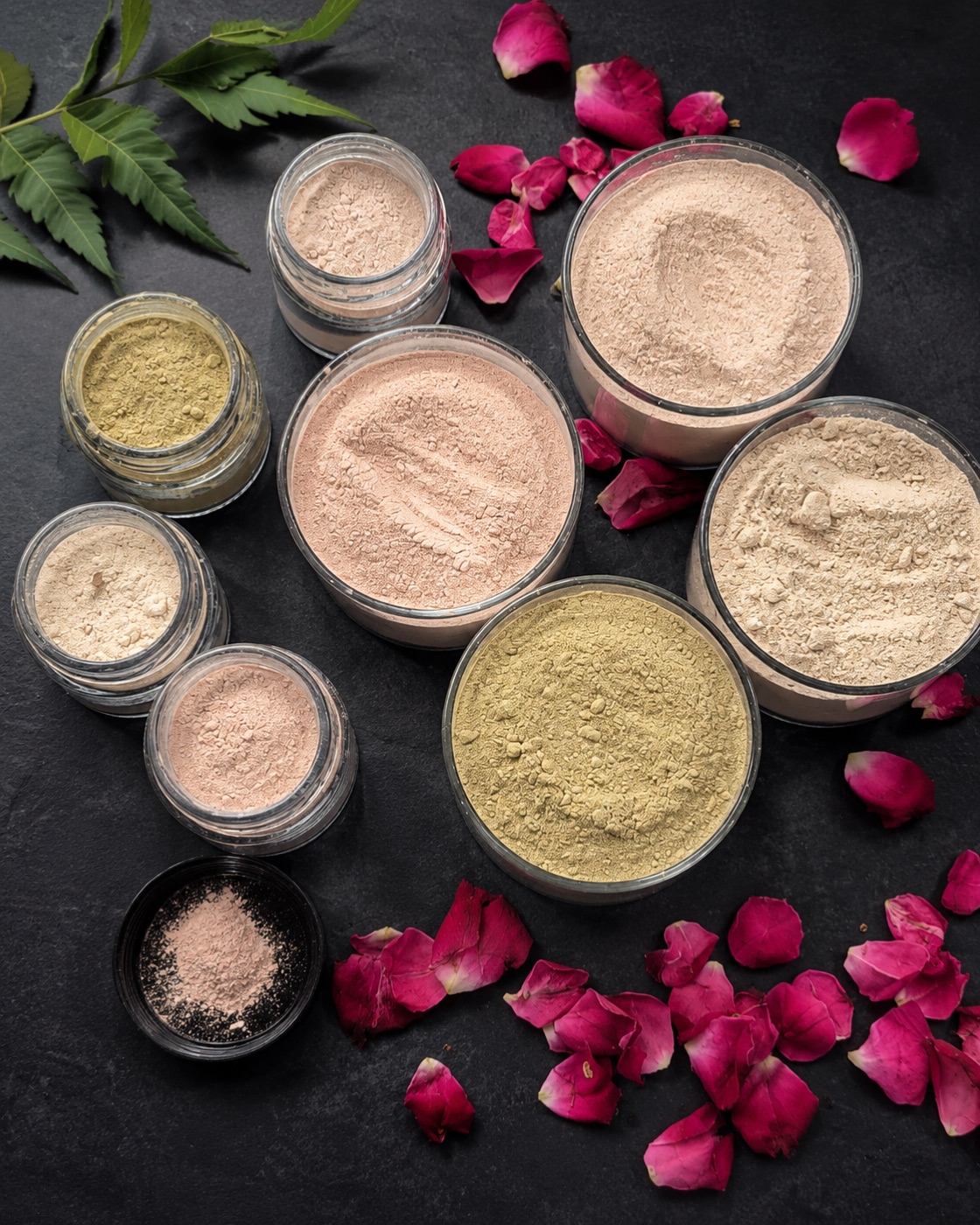
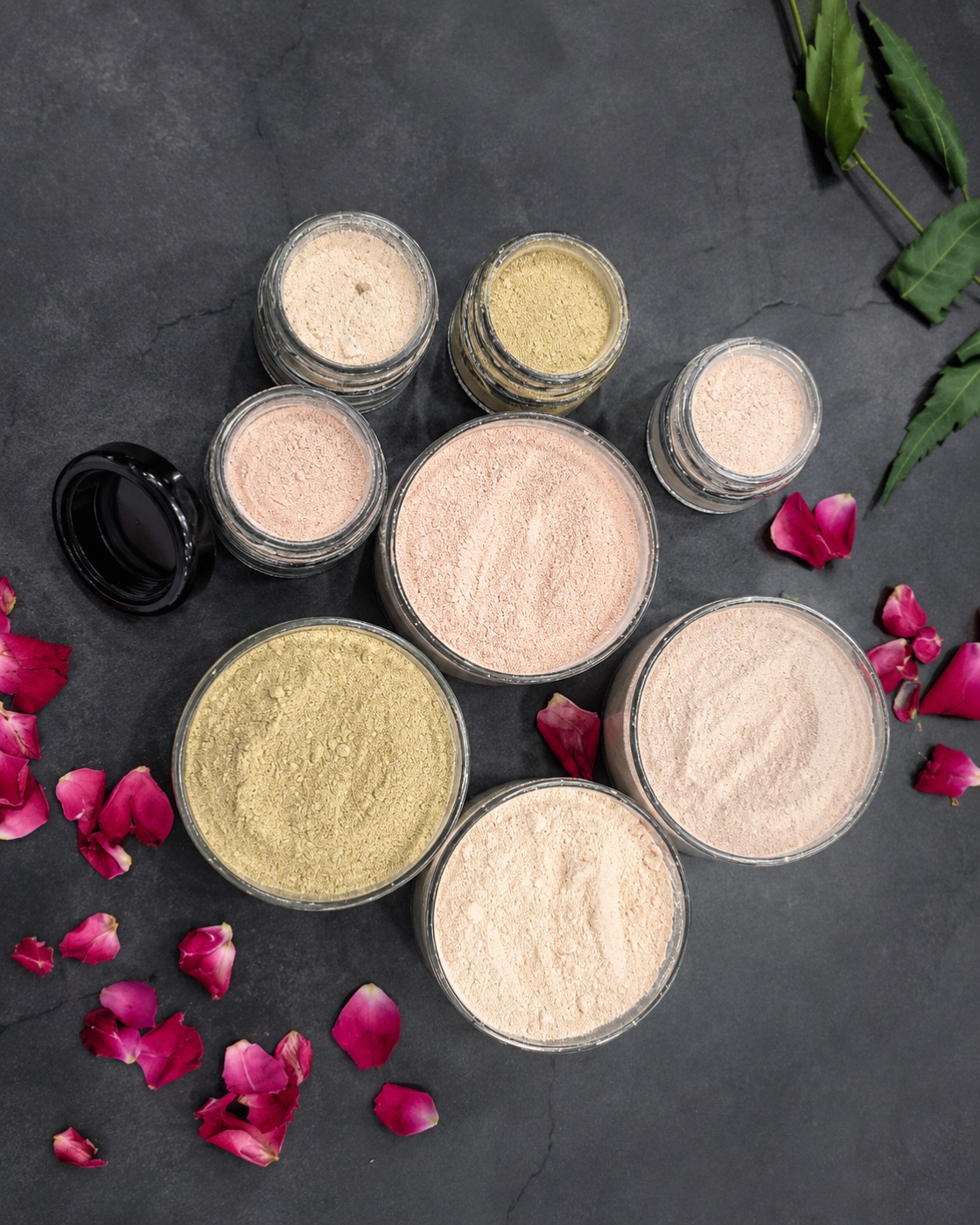
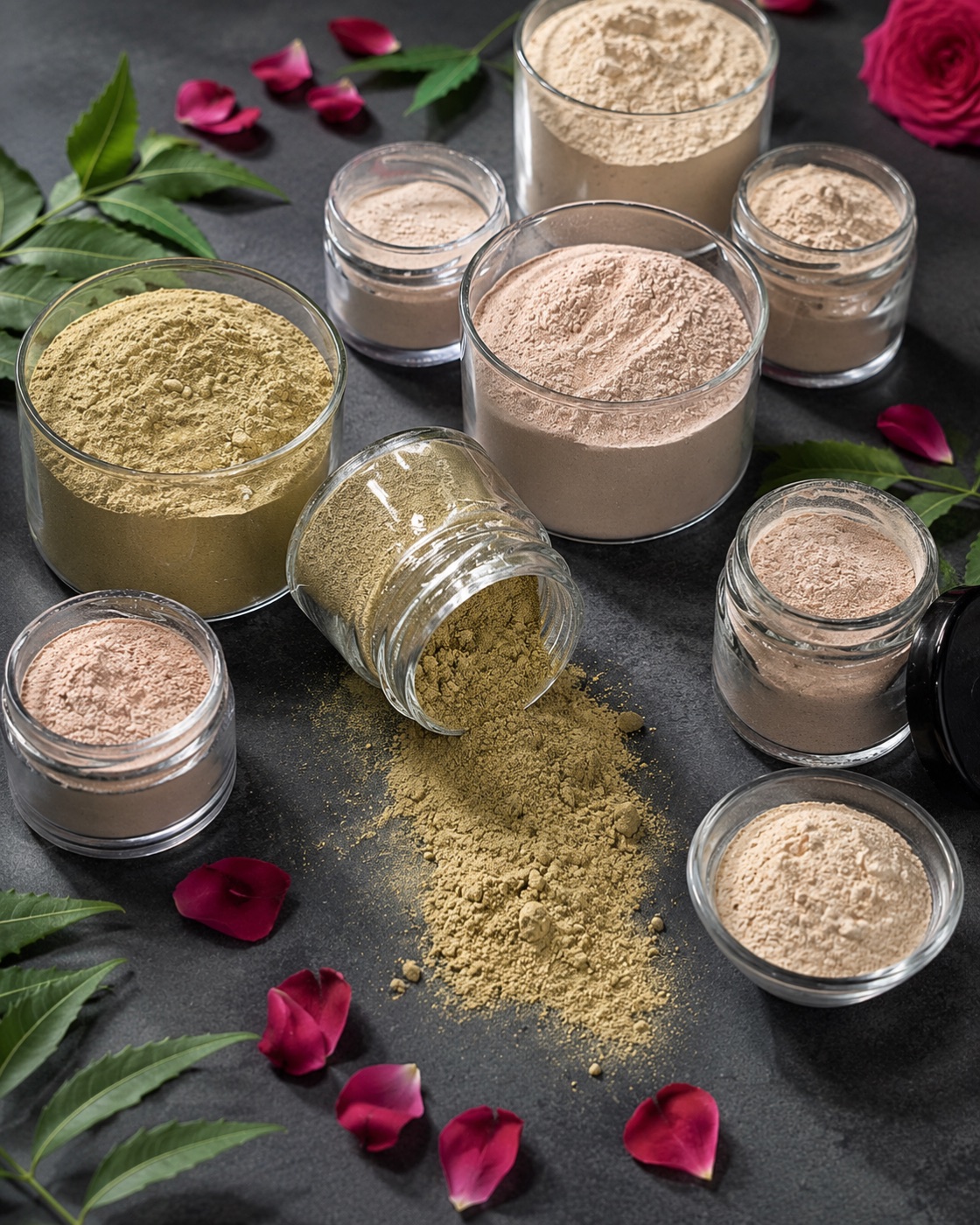
Who ends up selling this
Homemakers
No heat, no machinery — a product you can make on a clean table.
Students and side-hustlers
One of the lowest-cost product lines GyaanShala teaches.
Existing skincare sellers
A powder keeps far longer than a cream, so stock does not spoil on you.
Salon and parlour owners
Sell a take-home product to clients who already trust your hands.
Jars, shelf life and labels
Jars, scoops and sealing
What to pack in, and how to seal so a powder stays dry and loose.
Shelf life without harsh preservatives
Why a dry formulation keeps, and what ruins one.
Labelling a jar you can legally sell
What has to be on the label before you take money for it.
Everything you need to start
From your own kitchen
A sieve, a mixing bowl, a weighing scale and clean jars.
Ingredients from the local market
Clays, powders and botanicals — all of it sourced in India.
The bilingual handbook
Every formulation written out in English and Hindi to keep beside you.
Meet your instructor

Anju Mittal
Your instructor
Anju formulates the soap, shampoo, hair oil, face pack, perfume and bath-salt recipes GyaanShala teaches — and sold every one of them from home first, spoiled batches included. She writes the pieces about what goes in the jar, what keeps, and what a salon actually orders.