At a wedding exhibition in Faridabad a woman tried my mogra roll-on on her wrist, said it was lovely, bought two, and messaged me the next morning: "It was gone before I reached the car." She was right. I had used 8% fragrance in the carrier because the compound was expensive and I was nervous. Attar making at home is a business of ratios, and I had got the only ratio that matters wrong.
The short version
- Home attar is an oil-based roll-on, no alcohol, no distillation. You buy a fragrance compound and blend it into a carrier-oil base.
- The ratio decides everything. 15–30% fragrance in the carrier lasts four to six hours on skin; under 12% fades in an hour.
- An 8 ml roll-on costs ₹65–₹75 to make in a batch of fifty and sells at ₹249–₹349. Sets of three sell at ₹699–₹799.
- Weddings, Eid, Diwali and corporate return gifts buy in fifties and hundreds. That is where the income is, not single bottles.
- Real sandalwood and jasmine oils cost thousands per 10 ml. Be honest that you use compounds; customers do not mind, they mind being lied to.
I came to perfume from herbal formulation, which is a strange direction. Hair oil and shampoo taught me to weigh, to record and to distrust a batch until it had sat for a month. That habit turned out to be the whole skill in attar, because perfume is not cooking. Nothing is heated, nothing reacts. You measure, you blend, you wait, you smell.
What confuses beginners is the word itself. In Kannauj, attar means flowers distilled into sandalwood oil over days, and a 10 ml bottle of the real thing is priced like jewellery. What you and I will make and sell is the modern version: a fragrance compound dissolved in a carrier oil, bottled as a roll-on, alcohol-free and skin-safe. It is what most of the attar sold in India actually is.
Once you accept that, the business becomes clear. Your product is a ratio, a base and a bottle, and you can learn all three in a fortnight.
What it isWhat you will actually sell, and what it is made of
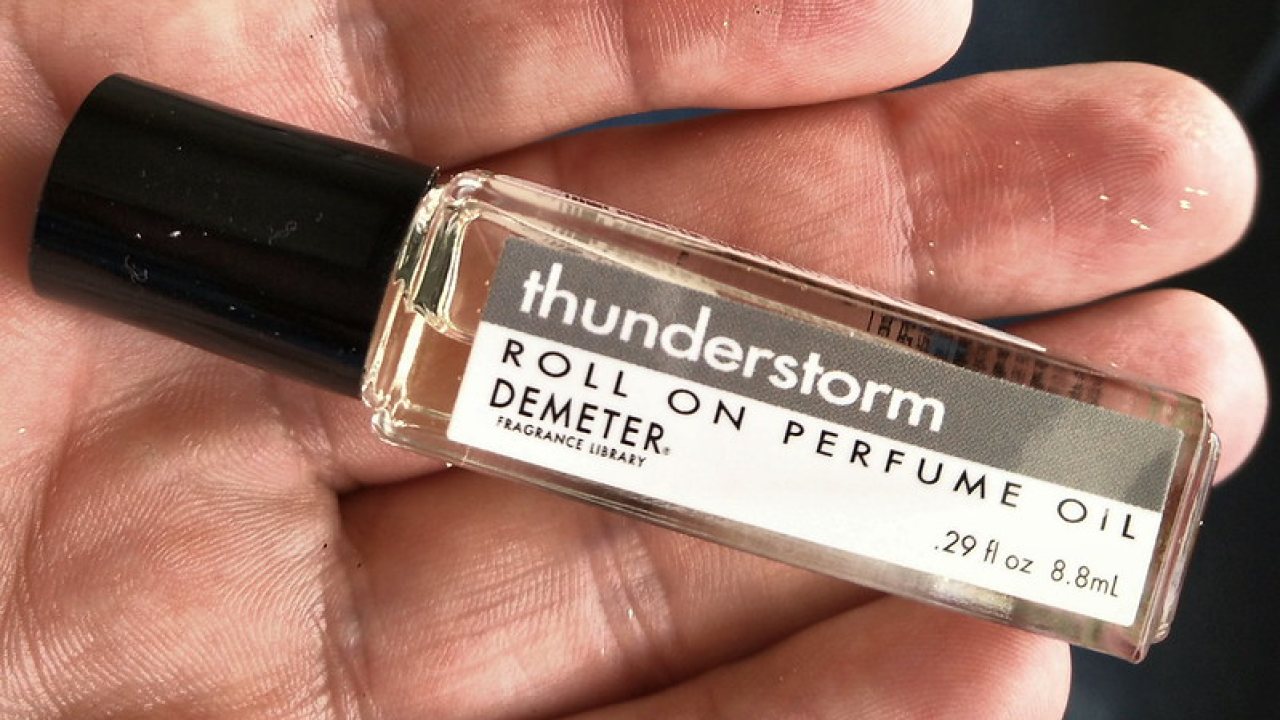
An oil-based roll-on has three ingredients. A carrier oil, which is the body of the bottle and touches the skin. A fragrance compound, which is the smell. And, for some compounds, a small share of a solvent that helps the two mix.
The fragrance compound is the expensive part and the part people are shy about. A good mogra or chandan compound from a perfumery supplier costs ₹800–₹3,000 per 100 ml. A rose compound is similar. Real Mysore sandalwood oil is ₹15,000–₹25,000 per 100 ml and real jasmine absolute is more, which is why nobody selling a ₹300 roll-on is using them. You can buy compounds in 30 ml and 100 ml packs from the GyaanShala store and from the perfumery suppliers I list in where to buy raw materials.
Say on your label that it is a fragrance blend in a carrier oil. I have never lost a sale for saying so, and I have watched a competitor lose a wedding order for calling a ₹40 compound "pure Mysore chandan".
Where it goes wrongWhy attar making at home fails in the first month
The 8% mistake I made is the common one. A compound costs money, so the beginner uses less of it, and the roll-on smells beautiful in the bottle and vanishes on the wrist. Customers do not complain. They just never buy again.
The second failure is the carrier. Plain coconut oil is cheap and everyone has it, and it turns solid at 22°C, so from November to February the ball will not roll. Almond and mustard oils go rancid in three to four months and the rancid note fights the fragrance. Mineral oil is stable but sits on the skin like a film. None of them is the answer on its own.
The third is cloudiness. Some compounds, especially the heavier woody ones, do not fully dissolve in oil. The bottle looks milky, then a ring forms on the ball, then the customer's kurta gets a stain. This is a solubility problem, and it is fixed in the base, not by shaking.
The fourth is the ball. A cheap plastic roller ball in a loosely fitted housing leaks the moment the bottle lies on its side in a courier bag. I lost a set of three, the gift box and a customer in one parcel.
Leave 5–8% air. Oil expands in a hot delivery van and a full bottle pushes fragrance out past the ball. I learnt this in May, from a customer in Gurgaon, with a photo of her handbag lining.
The baseThe carrier-oil blend everything depends on
The course spends a full lesson on the base before it touches a single fragrance, and that is the right order. The base is what makes the roll-on stable in January and June, clear in the bottle and kind to skin.
What goes into mine
Fractionated coconut oil is the backbone: light, colourless, odourless, liquid at any Indian temperature and does not go rancid. It costs ₹600–₹900 a litre. Jojoba, ₹1,800–₹2,500 a litre, is closest to skin's own oil and slows the release of the fragrance, which is what makes a roll-on last. A small share of dipropylene glycol, ₹250–₹400 a litre, solves the cloudiness problem for the compounds that need it.
Blended, the base costs me around ₹1,100 a litre, which is ₹1.10 per ml. In an 8 ml roll-on that is ₹7. Everything else in the bottle is fragrance and packaging.
The balancing ratio
Start every new compound at 20% and make three 5 ml testers: 15%, 20%, 30%. Wear each on a different spot and note the hour it fades. Chandan holds at 20%. Rose, which is mostly top and heart notes, needs 30%. Mogra sits between. Write the number down; it is your formula and it is the only thing a competitor cannot copy by looking at your bottle.
The methodAttar making at home, beaker to bottle
- Set up a clean, cool, unscented tableNo incense, no cooking, no hair oil batch the same day. Your nose is the instrument and it tires in twenty minutes; step outside between blends.
- Measure the base firstInto a 50 ml glass beaker, by ml, using a marked dropper or a syringe. Never by eye. A roll-on is 8 ml; 1 ml of error is 12%.
- Add the compound at your tested ratioDrop by drop, stirring with a glass rod. Watch for haze. If it clouds, this compound needs more of the solvent share in the base.
- Let it marryCap the beaker and leave it 48 hours in a dark cupboard. A fresh blend smells sharp and unfinished; the same blend two days later is rounder. Judge it then, not on day one.
- Fill with a syringeA 10 ml syringe without the needle fills an 8 ml roll-on cleanly to the 7.5 ml mark. Press the ball housing in firmly with your thumb until it clicks, then the cap.
- Seal, label, dateA shrink band over the cap, ₹1 each, stops leaks and tells the customer nobody has opened it. Name, net volume, ingredients, batch date.
- Keep one backA roll-on from every batch stays on a shelf in your workroom. Smell it at one month and three months. If it has changed, you know before your customers do.
The course films this with the beakers and materials list, then builds chandan, mogra and rose from the one base so you see how the ratio changes with the note, and finishes with a lesson on roll-on application and lasting, which is the part your customers will ask you about.
Bottles and costsFrom 3 ml to 12 ml, and what an 8 ml roll-on costs
Bottle size is a business decision. 3 ml vials at ₹5–₹8 are testers and sampler sets. 6 ml roll-ons at ₹10–₹15 are for return gifts, where the buyer wants fifty pieces for ₹6,000. 8 ml and 10 ml at ₹14–₹25 are your main retail bottle. 12 ml at ₹20–₹30 is for a regular customer's favourite. Always a glass bottle and always a steel ball; the plastic ones roll badly and leak.
| Item | Per roll-on |
|---|---|
| Mogra fragrance compound, 2 ml | ₹24 |
| Carrier-oil base, 6 ml | ₹7 |
| 8 ml glass roll-on bottle, steel ball, cap | ₹16 |
| Label and shrink band | ₹5 |
| Small kraft box | ₹10 |
| Spillage, testers, one broken bottle in fifty | ₹3 |
| My time, 2 hours at ₹150 for 50 bottles | ₹6 |
| Cost per roll-on | ₹71 |
At ₹299 that is ₹228 a bottle before marketing. At a return-gift price of ₹150 for a 6 ml bottle without the box, it is still ₹95 a piece, and the order is for a hundred. The pricing logic is worked through in how to price your handmade products; the short version is that the box and label are a third of your cost, so choose them deliberately.
A roll-on is sold twice. Once at the wrist, when she tries it, and once at four o'clock, when it is still there. — the note above my blending table
SellingWeddings, festivals and the fifty-piece order
Single roll-ons sell through WhatsApp and Instagram, and a set of three in a box at ₹699–₹799 sells better than any single, because a set is a gift and a single is a purchase. The message templates and the catalogue approach are in selling on WhatsApp and Instagram.
The real income is in quantity orders. A wedding wants 100 return gifts at ₹120–₹180 each, and a 6 ml roll-on in a small organza pouch with a printed thank-you tag is exactly the price and exactly the sentiment. Eid and Diwali bring the same order from families and from offices; the timing for both is in the festive calendar. One wedding order of a hundred pieces is ₹15,000 of revenue from one afternoon of filling.
Take a tester kit everywhere. Six 3 ml vials in a small tin, ₹60 in total, has closed more orders for me than any photo, because perfume is the one product a phone screen cannot sell.
"Which one is for daily office use?" "Does it stain?" "Will it last through a wedding?" Have a one-line answer for each, and a tester for each. Nobody asks about the base. Everybody asks about lasting.
MistakesSix I paid for
- Buying 100 ml of a compound before testing 10 ml. One "rose" was a rose-scented room freshener. ₹1,400 on a shelf.
- Blending six fragrances in one sitting. By the fourth my nose was gone and I approved a mogra that was far too strong.
- Plain coconut oil in November. Forty solid roll-ons, one embarrassed exhibition stall.
- Photographing bottles in direct sun. The light was good; the two hours of heat in the bottles were not.
- A paper label on an oil bottle. One fingerprint of oil and the ink ran. Use a laminated or vinyl label.
- Couriering roll-ons loose in a box. Each bottle now goes in its own bubble sleeve, standing up.
What nextLabels, licences and the second fragrance
A perfume applied to skin is a cosmetic under the Cosmetics Rules, and the label needs the name, net quantity, ingredients, manufacturer's details and a batch number. Manufacturing cosmetics for sale needs a state licence. As of 2026, verify the current position on the CDSCO portal; the labelling side is walked through in how to label handmade cosmetics.
The same base, the same bottles and the same customer take you into hanging car perfumes and reed diffusers, which is a bigger ticket and a different ratio; that is in the car perfume and reed diffuser guide.
If you want to see the base blended, the three fragrances built from it and the bottle guide from 3 ml to 12 ml on camera, the Perfume Shala course covers materials and beakers, bottles, the base, chandan, mogra and rose, application and lasting, and packaging for gifting and bulk orders, in Hindi and English. Buy one compound and twenty bottles. Make three testers. Wear them for a day before you make fifty.
Still unsureQuestions we get asked
What is the difference between attar and roll-on perfume?
Which carrier oil is best for attar making at home?
How much fragrance oil goes into a roll-on attar?
How long does homemade attar last on skin and in the bottle?
What does it cost to start attar making at home?
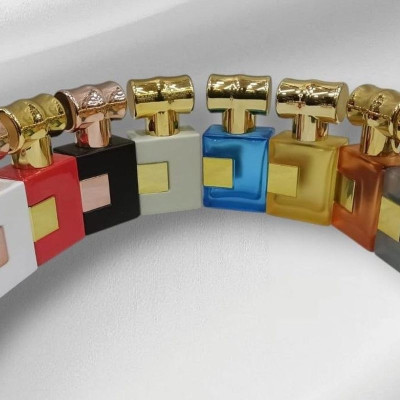
Perfume Shala — Attar & Roll-On Perfume Making Business Course
Learn to make your own attar and roll-on perfumes at home. The course starts with the carrier-oil base and the…
Anju Mittal
Anju formulates the soap, shampoo, hair oil, face pack, perfume and bath-salt recipes GyaanShala teaches — and sold every one of them from home first, spoiled batches included. She writes the pieces about what goes in the jar, what keeps, and what a salon actually orders.
0 comments
Log in to ask a question or share what happened when you tried this.