My first Diwali with a homemade chocolate business, I made 1,400 pieces in nine days on a two-burner stove in Faridabad. Sixty of them reached a customer in Gurugram as one soft brown block in a box, because the delivery boy kept them in his bag for four hours in October sun. That photo was my whole packaging education.
The short version
- Start with compound chocolate at ₹300–₹400 a kilo. It sets without tempering. Move to couverture only when customers pay for it.
- A kilo of compound makes about 85 pieces of 11 g. With nuts, wrappers and a box, twelve pieces cost you ₹150–₹165 in materials and sell for ₹320–₹380.
- You need FSSAI basic registration before the first sale. Verify the current process on FoSCoS.
- Sixty to seventy percent of the year's money arrives between Rakhi and New Year. Plan backwards from Diwali.
- Heat kills more orders than bad recipes. Nothing with a soft centre travels by courier between April and September.
Most people start the way I did: a silicone mould from the nearest baking shop, a slab of compound, and prices copied from someone's Instagram. The chocolate part works on the first evening. The business part takes a year to work, and that is the part this guide is about.
I still make chocolates every festive season, alongside cakes, masalas and hampers, and the chocolates are the thing that gets reordered most. Not because they are difficult. Because a box of good dark almond chocolates is the gift nobody in an Indian family refuses, from a six-year-old to a dadi.
Where it goes wrongThree ways a beginner loses money on chocolate
The recipe is rarely the problem. These three are.
1. Buying the wrong chocolate for the job
Couverture is real chocolate with cocoa butter. It tastes better, snaps better, and needs tempering: melted to 45°C, cooled to 27°C, brought back to 31°C, every single batch. Miss the window and the piece sets dull, streaky and soft. Compound replaces the cocoa butter with vegetable fat, so it melts, pours and sets with no tempering at all.
A beginner who starts on couverture spends her first month fighting bloom instead of finding customers. Start on compound. Nobody paying ₹320 for a box at Diwali is asking which one you used.
2. Pricing from the slab, not the box
The slab is the cheapest part. By the time a piece is wrapped, boxed, ribboned and delivered, the chocolate is under a third of the cost. If you price at three times the chocolate, you have priced below your own materials, and the first courier loss wipes out a week.
3. Selling soft centres in summer
Ganache truffles at a 2:1 chocolate-to-cream ratio are gorgeous in December. In a Delhi May, at 44°C outside and 34°C inside a delivery bag, they arrive as soup. I now make centre-filled pieces only from October to February, and never courier them, only hand-deliver.
What you are buyingCompound or couverture: the ₹340 versus ₹1,200 decision
These are 2026 prices for what I buy, from the baking-supply shops around Delhi and online. Your city will be within ₹40 a kilo of these.
- Dark compound (Morde, 2M, Vanleer): ₹300–₹380 per kg slab. Milk and white compound run ₹330–₹420.
- Dark couverture (Morde, Van Houten, Callebaut): ₹800–₹1,400 per kg depending on brand and cocoa percentage.
- Almonds ₹800–₹950 per kg; cashews ₹850–₹1,000; roasted peanuts ₹140–₹180. Nuts are where a piece gets its weight and its reorder.
- Silicone mould, 15–24 cavity: ₹120–₹250. Polycarbonate: ₹600–₹1,200, and it gives the shine but needs a perfect temper.
- Foil wrappers, 4 by 4 inch: about ₹1 each in packs of 100. Cavity boxes: 6-cavity ₹25–₹40, 12-cavity ₹45–₹80.
The moulds and wrappers set in the GyaanShala store is the same shortlist I would hand a beginner: bar and bite moulds plus foil, so the first batch looks sold rather than homemade. You can also assemble it piece by piece from the store or a local baking shop.
A ₹250 digital probe thermometer. Compound is forgiving, but pour it above 40°C into a cold mould and you get white streaks on the back of every piece. Melt over a double boiler, stir until it reads 33–35°C, then pour.
The numbersWhat one kilo of compound becomes
One kilo of dark compound, melted and poured into an 11 g cavity, gives 85 to 90 pieces once you account for what stays on the bowl and the spatula. With 2 g of chopped almond in each, the piece weighs 13 g and the kilo stretches further. Here is a box of twelve, at what it costs me.
| Item | Per box |
|---|---|
| Dark compound, 132 g at ₹340/kg | ₹45 |
| Almonds, 24 g at ₹900/kg | ₹22 |
| Foil wrappers, 12 | ₹12 |
| 12-cavity box with insert | ₹60 |
| Ribbon, sticker label, tag | ₹10 |
| Gas, wastage at 5%, one broken piece in ten boxes | ₹8 |
| Material cost per box | ₹157 |
| Your time, 25 minutes at ₹150 an hour | ₹63 |
| True cost per box | ₹220 |
A box like this sells in Faridabad for ₹320–₹380 direct, and ₹280 if a gifting shop takes it on. The margin looks fat until you see how the ₹63 for time disappears when a batch of 20 takes a full day because the fridge was full and the kitchen was 31°C. Pricing is its own subject; Anju's pricing guide walks the full method with wastage and overheads.
The methodFrom slab to sealed box in seven steps
- Chop the slab and melt two-thirds of itBreak 500 g into small pieces. Melt in a dry steel bowl over simmering water, never touching the water. One drop of steam in the bowl and the whole batch seizes into grainy paste.
- Add the rest off the heatStir the remaining pieces into the melted chocolate away from the flame. This cools it towards 34°C and gives a smoother set than melting it all at once.
- Toast the nuts and let them cool completelyWarm almonds melt the chocolate from inside and it never sets glossy. Five minutes in a dry pan, then twenty on a plate.
- Pour, tap, chillFill each cavity, tap the mould flat on the counter eight or ten times to bring the bubbles up, and put it in the fridge for 20 to 25 minutes. Not the freezer; that sweats the pieces when they come out.
- Unmould onto baking paperTwist a silicone mould gently and the pieces drop. If they cling, they need five more minutes cold.
- Wrap the same dayFoil-wrap within an hour of unmoulding, while the surface is dry. Wrapped pieces go into an airtight dabba, not the fridge, until boxing.
- Box, label, photographEvery box gets your FSSAI number, a packed-on date and a best-before. Photograph one box in daylight before it goes; that photo is next week's order.
The chocolate sets in twenty minutes. The business sets in the third festive season, when the same forty families message you before you message them. — what I tell every new batch of students
Startup costWhat a homemade chocolate business costs to start
Nothing on this list needs a loan. If you own a stove, a fridge and a steel bowl, you can start under ₹4,000 and buy the rest from the first ten orders.
- Two silicone moulds, one bar and one bite shape: ₹350–₹500.
- One kilo each of dark and milk compound: ₹650–₹780.
- Almonds and cashews, 250 g each: ₹430–₹500.
- 100 foil wrappers, 20 twelve-cavity boxes, one roll of ribbon: ₹1,300–₹1,600.
- Digital thermometer: ₹250–₹400.
That is ₹2,980–₹3,780 for enough to make and sell twenty boxes, which at ₹320 each returns ₹6,400. The second month, buy a second kilo of everything and 50 boxes at the wholesale rate, and the box cost drops by ₹12–₹15.
PaperworkFSSAI, labels and what has to be on the box
Chocolate is food, so a home maker selling it needs FSSAI registration. As of 2026, a small home business applies for basic registration on the FoSCoS portal at foscos.fssai.gov.in, and the 14-digit number goes on every label. The fee and the turnover band above which a state licence replaces registration are set by FSSAI and change, so verify on the portal before you pay anyone to do it for you.
Rahul has written the whole process, documents and all, in FSSAI registration for a home food business. Read it before your first sale, not after a customer asks for the number.
The label itself: product name, your name and address, net weight, ingredients with allergens (nuts, milk solids, soy lecithin), the packing date, a best-before, the FSSAI number and a price. A ₹4 sticker printed at any local shop does all of this.
Plain compound with nuts keeps six to eight weeks sealed at 18–24°C. Anything with cream, ganache, fresh fruit or a liquid centre is a fridge product with seven to ten days. Write the shorter date on the box, tell the customer, and never courier it.
SellingWhere a homemade chocolate business finds its first fifty customers
Three channels have worked for me, in this order.
WhatsApp, with a photo and a price. Your first 50 customers are within two kilometres: society groups, the kids' school parents, your husband's office, the tuition teacher. Post one good daylight photo of one box with the price in the caption. A photo without a price gets fifteen "how much?" replies and two orders. Rahul's WhatsApp and Instagram guide is the method we use for every product.
Festive pre-orders. Rakhi in August, Diwali in October or November, Christmas and New Year. Open a pre-order list three weeks before the date with a 50% advance, close it ten days before, and make in batches. In my kitchen one person can pour, wrap and box about 5 kg of compound a day, roughly 400 pieces or 33 boxes. Count backwards from the date and you know your maximum. The festive calendar has the full year.
Corporate boxes. A 25-box order from one office at Diwali is worth a month of retail. They want the same box every time, a logo tag, an invoice and delivery on one date. Do not chase this in your first season; take it when it comes in your second.
What gets reordered, from my own book: dark almond, roasted cashew clusters, and a plain dark bar with a little sea salt. Fancy flavours get tried once. Nuts get bought again.
Mistakes to avoidThe lessons that cost me money
- Couriering in summer. April to September, local delivery only, in the morning, with a gel pack in the bag. A ₹35 gel pack has saved me more refunds than any recipe.
- Refrigerating boxed chocolate. It comes out, sweats, and the sugar bloom looks like mould to a customer. Airtight dabba, cool cupboard.
- Too many shapes. Four shapes in one box means four moulds, four pour times and a slower batch. Two shapes, one flavour per box.
- Free samples with no ask. Give a sample to a shop only with a price list and a date you will call back.
What nextBars that travel, and the course
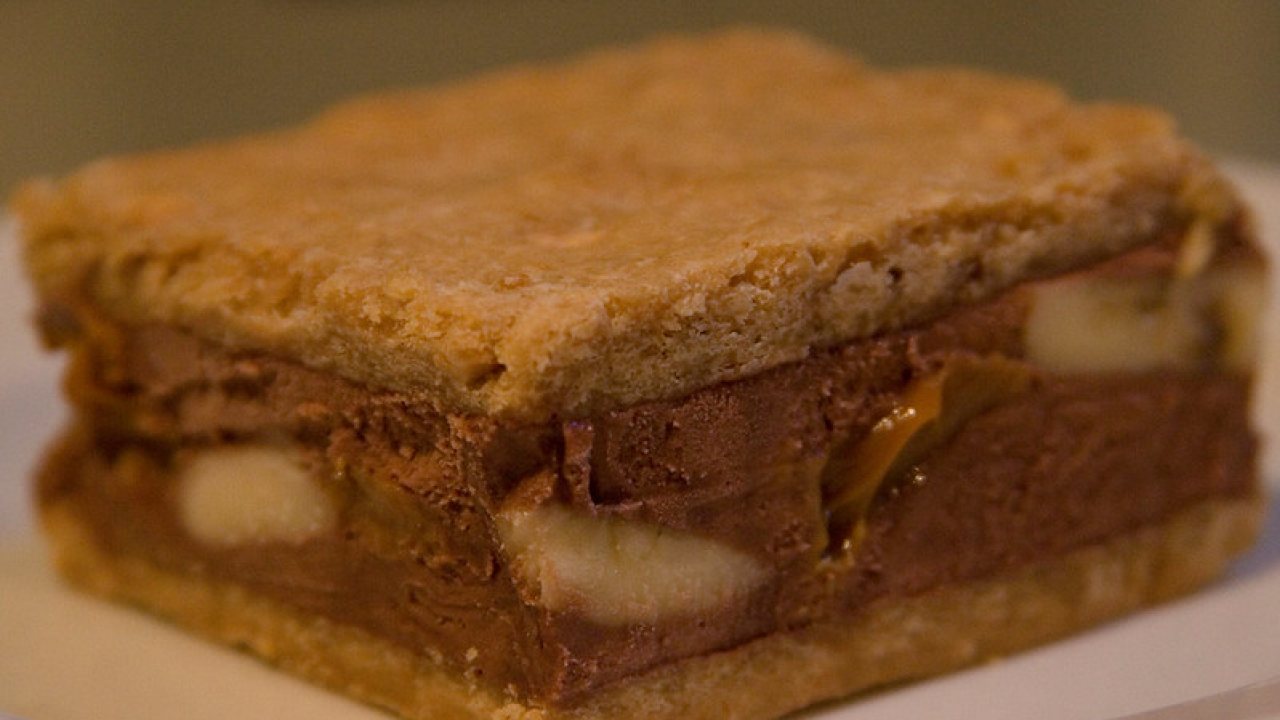
Once moulded chocolates are selling, the product I add next is a chocolate-coated cookie bar. A baked bar with a compound coat is sturdier than a moulded piece, ships across Delhi-NCR in a padded box without a gel pack from October to March, and sells at ₹60–₹90 apiece. It is also what turns chocolates into a hamper business, because a bar fills a basket in a way a 13 g piece cannot.
That is what the ChocolateShala course teaches: ten bakery-style chocolate cookie bars, from a mocha butter bar to a Bounty coconut bar, built on one universal chocolate-coat method, plus where to buy ingredients in India and how to package, price and sell the bars. You need an oven and silicone bar moulds; the rest is in the recipe book that comes with it.
If you have not poured your first mould yet, start there this week. Buy one slab, one mould and a thermometer, make twenty pieces, and give ten away with a price attached. The second ten will tell you whether you have a business.
Still unsureQuestions we get asked
Do I need an FSSAI licence to sell homemade chocolates from home?
Which chocolate should a beginner buy, compound or couverture?
How much does it cost to start a homemade chocolate business in India?
How long do homemade chocolates last?
How do I price a box of 12 homemade chocolates?

ChocolateShala — Home Chocolate Cookie-Bar Business Course
Learn 10 bakery-style chocolate cookie bars and turn them into a home baking business. Hindi + English · Lifetime…
Meenu Aggarwal
Meenu ran the chocolate, cake, masala and gift-hamper side of the family business and has assembled more Diwali orders than she can count. She writes about kitchens, packaging, festive timing and the products customers reorder.
0 comments
Log in to ask a question or share what happened when you tried this.