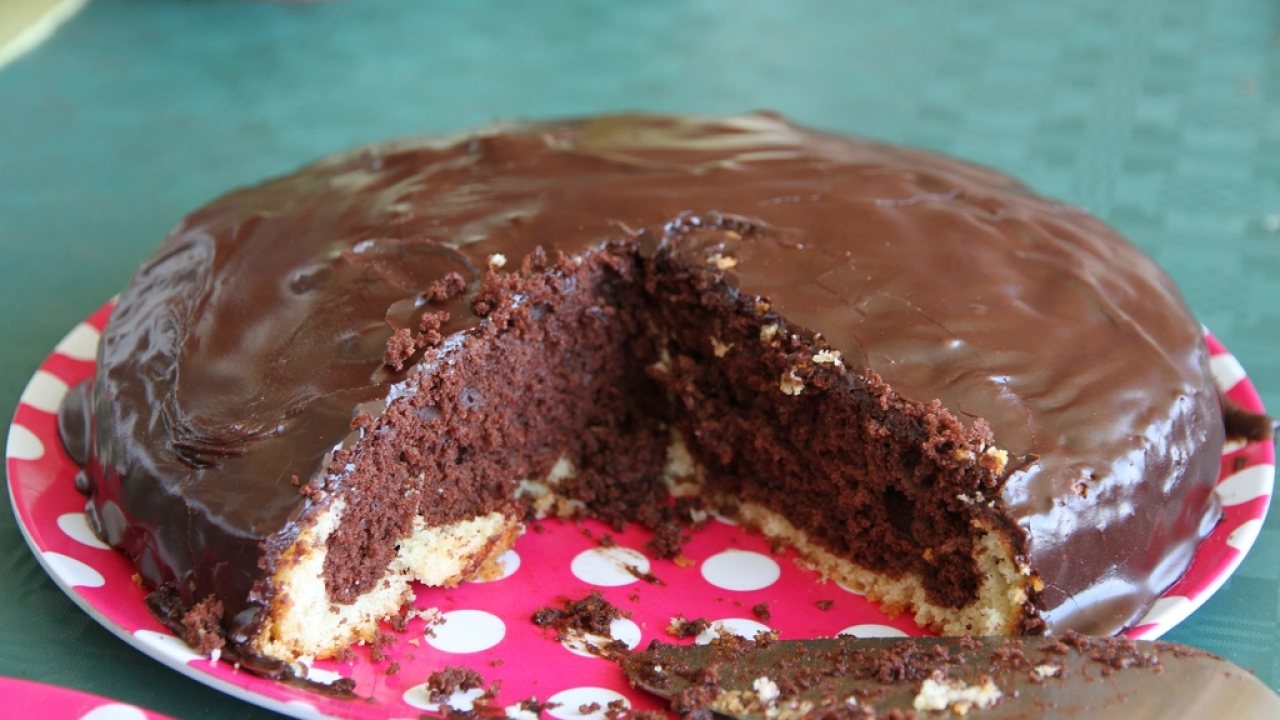
The first cake I sold was a 1 kg chocolate ganache for a neighbour's son's fourth birthday, in July, for ₹500. I spent ₹340 on ingredients and three hours in the kitchen, and delivered it at two in the afternoon in an auto. By the time she cut it, the ganache had slid down one side. She paid, she reordered in September, and she told me to charge more. That was the start of my home baking business, and every rule in this post comes from that cake.
The short version
- Start with one cake, one size list and one price. Chocolate ganache is the one, because it keeps, it travels and everyone orders it.
- A 1 kg ganache cake costs ₹330–₹380 in materials and about 90 minutes. It sells for ₹800–₹950 from a home bakery in Delhi-NCR.
- The ganache ratio changes with the season: 2:1 compound to cream from April to September, 1.5:1 in winter.
- You need FSSAI basic registration before the first paid cake. Verify the current process on FoSCoS.
- Deliver in the morning, in a box with a gel pack, on 48 hours notice and a 50% advance. No exceptions, including relatives.
Every home baker I meet wants to launch with a menu: red velvet, pineapple, butterscotch, a rasmalai cake, cupcakes, brownies. Twelve products means twelve costings, six kinds of packaging and a fridge full of half-used cream. The first year of a home bakery is not about range. It is about one cake that comes out the same on a Tuesday in May as it did on a Sunday in December.
Chocolate ganache is that cake. It has no whipped cream to collapse, no fondant to sweat, no fresh fruit to weep. It holds a clean edge, it photographs dark and glossy on a phone, and it is what a grandmother and a nine-year-old will both eat. Fix this one, and the second product comes easily.
Why one cakeA home baking business should start with a single product
One cake means one shopping list, so you buy cocoa, compound and cream in quantities that get used, not thrown out. It means one tin size, one box size and one board size in the cupboard. It means a price list with three lines that fits in a WhatsApp status. And it means that by cake number twenty, your hands know the batter and your eye knows when the ganache is ready, which is the only thing that separates a home baker from a home bakery.
The second reason is reorders. A birthday family that liked your chocolate cake orders it again for the next birthday, the anniversary and the office farewell. They are not looking for novelty from you. They are looking for the same cake, on time, cold.
The numbersWhat a 1 kg chocolate ganache cake costs to make
These are 2026 prices from my kirana and the baking-supply shop in Faridabad, for an 8-inch round that finishes at a kilo with the ganache. I use dark compound for the ganache because it sets firm without tempering and costs a third of couverture; the compound-versus-couverture argument is in my homemade chocolate guide.
| Item | Per cake |
|---|---|
| Maida 250 g and powdered sugar 250 g | ₹22 |
| Cocoa powder 60 g at ₹750/kg | ₹45 |
| Eggs, 3 | ₹21 |
| Refined oil 120 ml, milk 150 ml | ₹28 |
| Baking powder, soda, vanilla, salt | ₹8 |
| Dark compound 300 g at ₹340/kg | ₹102 |
| Fresh cream 150 g | ₹45 |
| 8-inch cake board | ₹12 |
| Window cake box, 10 by 10 by 5 inch | ₹42 |
| Gas and OTG electricity, about 45 minutes | ₹18 |
| Material cost per cake | ₹343 |
| Your time, 90 minutes at ₹150 an hour | ₹225 |
| True cost per cake | ₹568 |
Eggless: replace the three eggs with 150 g of thick curd and a quarter teaspoon more baking soda. The cost is the same within ₹10, and in Faridabad about six in ten orders ask for it, so learn both.
At ₹850 the cake clears ₹280 over true cost. Three cakes a week is about ₹3,600 a month in real profit after paying yourself; ten a week, in birthday season, is a different business. The full costing method, with wastage and overheads, is in Anju's pricing guide; the categories are identical for cakes.
The kitWhat you need, and what can wait
- An oven. A 28–35 litre OTG, ₹5,500–₹8,000. If a convection microwave is already in the kitchen, start with it and buy the OTG from cake profits.
- Two 8-inch aluminium tins, ₹150–₹200 each. Two, so a 1.5 kg order does not mean two bakes.
- A kitchen scale, ₹300–₹500. Every quantity in this post is by weight. Cups are how cakes sink.
- Turntable ₹250–₹500, bench scraper ₹60–₹120, palette knife ₹80–₹150. These three are the difference between a homemade look and a bakery look, and together they cost less than one cake.
- Boards and boxes, bought 25 at a time from a packaging wholesaler or the store.
- Chocolate moulds for garnish. A few 10 g moulded discs or a bar broken into shards on top turns a plain ganache cake into the ₹950 one. The moulds and wrappers set is what I use.
What can wait: a stand mixer, a second oven, fondant tools, a cake-smoother set and the branded apron. A hand whisk and a spatula make this batter.
The methodThe cake, from sifting to smoothing
- Prepare the tin before anything elseGrease, line the base with baking paper, dust with cocoa rather than flour so the sides stay dark. A stuck cake is the most common first-order disaster.
- Sift the flour, cocoa, sugar and raising agents togetherTwice. Cocoa clumps, and every clump is a bitter pocket a customer finds.
- Build the batter wet into dryOil, eggs or curd, milk and vanilla whisked, then folded into the dry mix until just combined. Overmix and the cake is tight and domed.
- Bake at 170°C for 35–40 minutesMiddle rack. Start the toothpick test at 32 minutes: it should come out with a crumb or two, not wet and not bone dry.
- Cool completely, then chillTwenty minutes in the tin, out onto a rack, then an hour in the fridge wrapped in cling film. Warm cake under ganache is a landslide.
- Make the ganache over a double boilerChopped compound and cream warmed together until the last piece melts, then stirred, not whisked, until glossy. Rest until it thickens to a spreadable paste; in winter that is 15 minutes on the counter, in May it can be 40 in the fridge.
- Crumb-coat, chill, final coatA thin layer first to trap crumbs, 15 minutes cold, then the full coat on the turntable with the scraper held still while the table turns.
- Box cold, deliver coldBoard into box, box into the fridge until the moment it leaves, gel pack beside it in the delivery bag.
The recipe is the same in every video. The difference is whether it comes out the same the twentieth time, in a hot kitchen, with a customer waiting. — the only thing about baking that took me years to learn
HeatGanache by season, and the Delhi May problem
Ganache is chocolate and cream, and the ratio is not a fixed number. It is a dial you turn with the weather. From April to September my ratio is 2:1 by weight, 300 g compound to 150 g cream, which sets firm enough to hold an edge in a 34°C delivery bag. From October to March it goes to 1.5:1, 300 g to 200 g, because at 2:1 in a cold kitchen it sets before you can smooth it. Equal parts is a drip, not a coat.
Deliver before eleven in the morning. Never send a cake by a delivery app in the afternoon. Put a ₹35 gel pack in the bag and tell the customer to refrigerate on arrival. If a customer wants a 4 pm pick-up in June, hold it in your fridge and hand it over at the door, not on the step.
A 250 ml carton of fresh cream does not pour 250 ml; you get 230 or so, and the last of it clings to the pack. Weigh it on the scale. Ten grams of extra cream in a 2:1 ganache in May is the ten grams that slides.
PricingSetting the price list for a home baking business
Three sizes, one price each, printed once and changed once a year.
- Half kilo: ₹480–₹550
- One kilo: ₹800–₹950
- One and a half kilo: ₹1,150–₹1,350
Those are 2026 home bakery prices in Faridabad and Delhi-NCR for a plain ganache cake with a name written in chocolate; a moulded topper or shards adds ₹80–₹150. Under ₹700 for a kilo you are subsidising the customer, and I have the July cake to prove it.
The rules that go with the price: 48 hours notice, 50% advance by UPI when the order is confirmed, the name for the topper in writing, and a ₹60–₹100 delivery charge within five kilometres or free pick-up. Write them under the price list and send them every time. The rules are what turn a hobby into a business; without them every relative is a same-day order at a discount.
PaperworkFSSAI and the box label
A cake sold for money is a food business, and as of 2026 a home baker needs FSSAI basic registration, applied for on the FoSCoS portal at foscos.fssai.gov.in. The number goes on the box sticker with your name, address, the date and an ingredients line that names the allergens: wheat, egg, milk, soy. The fee and the turnover band that moves a business from registration to a state licence are set by FSSAI and revised, so check the portal rather than relying on any number in a forum, including this one.
Rahul's FSSAI post walks through the documents and the online form step by step. Do it in the week before your first order, because the customer who asks for the number is always the one with the biggest order.
SellingWhere the first thirty cakes come from
Birthdays. Every family within two kilometres has four or five a year, and most of them are currently buying a ₹600 cake from a shop that tastes of hydrogenated cream. Your first customers are your society's WhatsApp group, the school parents' group, and the three families you already feed. One photo of one cake, price in the caption, sizes and the notice period underneath.
The photo matters more than the caption. Dark cakes are hard to shoot; use window light from the side, a plain background, and take it before the topper goes on and after. Rahul's phone photography post has the setup. Then post every cake that leaves, with the customer's permission, and let the count do the selling. His WhatsApp and Instagram guide is the method we follow across all our products.
Two channels I would skip in year one: delivery apps, which take 25–30% and send your cake out at 3 pm in June, and school canteens, which want cakes at ₹400. Bakery counters that stock a home baker's cakes are rare and pay late.
What nextThe course, then the second product
If you would rather watch the cake made than read it, the Cake Shala course films this exact cake across nine lessons with nothing cut: ingredients, preparing the tin, sifting, building and mixing the batter, the bake and the toothpick test, the double-boiler ganache, finishing it, and the turntable-and-scraper coat that makes a home cake look like a bakery's. It is in easy Hindi and English.
Once the cake is steady, the second product is a chocolate one, because you already own the compound and the moulds: a box of moulded chocolates or a chocolate-coated cookie bar to go with the birthday cake. My chocolate guide covers the costing. A cake and a box of chocolates from the same kitchen is a ₹1,200 birthday order, and that is when the home baking business starts paying for the OTG.
Still unsureQuestions we get asked
How much does it cost to make a 1 kg chocolate ganache cake at home?
Do I need FSSAI registration for a home baking business?
What ganache ratio should I use for a cake in summer?
Can I start a home baking business without an oven?
How do I take birthday cake orders as a beginner?

Cake Shala — Chocolate Ganache Cake Making Course
Learn to bake a bakery-style chocolate ganache cake at home, filmed across nine lessons with nothing skipped…
Meenu Aggarwal
Meenu ran the chocolate, cake, masala and gift-hamper side of the family business and has assembled more Diwali orders than she can count. She writes about kitchens, packaging, festive timing and the products customers reorder.
0 comments
Log in to ask a question or share what happened when you tried this.