The first ayurvedic hair mask I sold came back to me in a WhatsApp message: "It dried like cement and I used half a bottle of shampoo to get it out." She was right. I had ground the herbs in a mixer, skipped the sieve, and sold a scrub as a mask. That pouch cost me a customer and taught me the two things that decide this business: how fine the powder is, and how dry it stays.
The short version
- A dry powder ayurvedic hair mask needs no preservative, keeps nine to twelve months and couriers for ₹40. Start here, not with wet masks.
- The herbs are cheap. Hibiscus, amla, bhringraj, brahmi, methi and neem cost ₹80–₹500 a kilo, and a 100 g pouch uses about ₹40 of them.
- Fineness is the product. Sieve through an 80-mesh cloth or customers will rinse for twenty minutes.
- A 100 g pouch costs ₹75–₹85 to make and sells at ₹199–₹299. Salons buy by the kilo at ₹1,500–₹1,700.
- Sell three masks for three concerns, not one mask for everything.
I formulate shampoo, hair oil and masks, and if a student asks me which to sell first, I say the mask. Not because it is the most impressive. Because it is dry.
Everything difficult about a herbal shampoo, the preservative, the pH, the separation, the mould, comes from water. A hair mask powder has none. It is herbs, dried and ground and blended, and the customer adds the water in her own bathroom. What you sell is the recipe and the fineness, and you can get both right at your kitchen table with ₹2,000 of raw material.
That does not make it easy. It makes the mistakes cheaper.
Why it sellsWhy an ayurvedic hair mask is the right first product
Three reasons, and none of them is "the natural market is growing".
First, there is no spoilage clock. A sealed pouch of dry mask made in August is still good next June. You can make a batch, sell it over three months and never throw a gram away. Compare that with a shampoo, where every bottle carries a date you must beat.
Second, the raw material is cheap and local. Every herb in my masks comes from the mandi in Faridabad or from a wholesaler in Khari Baoli, and a 500 g pack of each of six herbs costs less than ₹1,200 in total. I list the suppliers in where to buy raw materials, and the GyaanShala store stocks small starter quantities so you do not have to buy a kilo of brahmi to make your first pouch.
Third, it is a repeat product with a visible result. A woman who uses a mask once a week finishes a 100 g pouch in a month, and by week three her mother-in-law has asked what she is doing differently. That question sells more pouches than any post I have written.
Where it goes wrongCoarse, damp, or promising too much
Coarse powder is the complaint that ends businesses. A mixer grinder gets herbs to roughly 40-mesh, which feels fine between the fingers and feels like sand in wet hair. Hibiscus and bhringraj leaves are fibrous and grind worst. If you do nothing else from this article, buy a fine sieve and sieve twice.
Damp powder is the second. In the monsoon in Haryana the air sits at 80% humidity for two months. A pouch that is filled on a wet afternoon, or a jar a customer leaves open in a steamy bathroom, clumps and then greys with mould. I dry every herb in the sun or a low oven before grinding, fill on dry days, and put a food-grade silica sachet in every pack over 200 g.
The third is the label. "Stops hair fall in 7 days" turns a cosmetic into a drug claim, and a drug claim needs a different licence and evidence you do not have. "Traditionally used for hair strength" is honest and sells fine. I go through the exact wording in how to label handmade cosmetics.
They go on the instruction card. A wet mask with curd or fresh aloe is spoiling from the minute it is mixed. Sell the dry powder and tell the customer to mix it fresh; I explain why in shelf life of handmade products.
What goes inThe herbs in an ayurvedic hair mask, and what they cost
I teach four recipes and sell three. They share a set of herbs in different proportions, which keeps the shelf small and the buying simple.
For growth
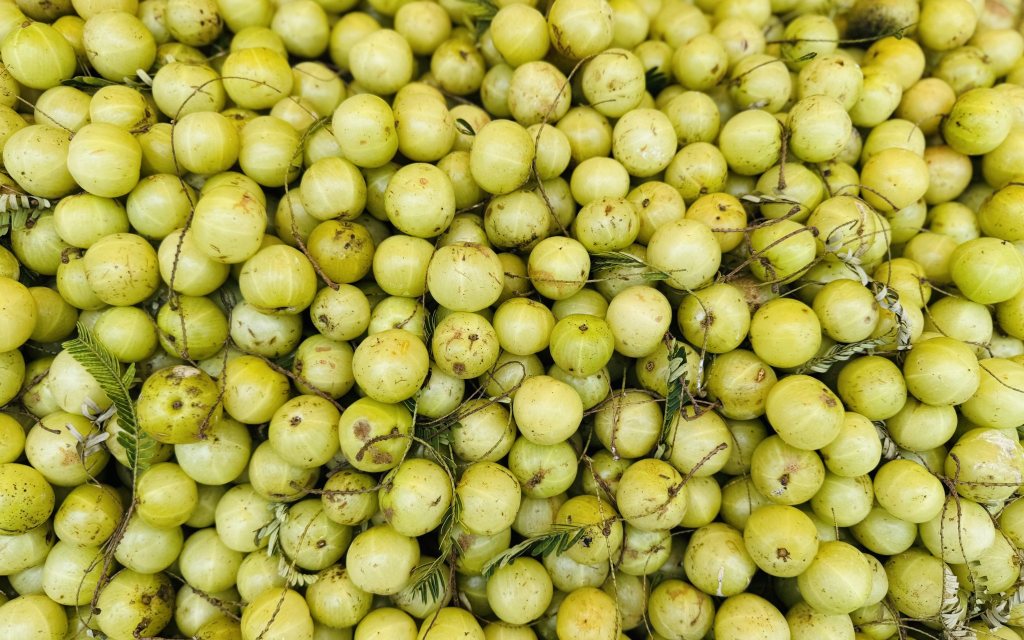
Bhringraj and brahmi carry this one, with amla for the scalp and a little methi. Bhringraj powder is ₹250–₹400 a kilo, brahmi ₹300–₹450, amla ₹250–₹400, methi seed ₹80–₹150. Methi must be roasted lightly before grinding or the powder smells like a kitchen for a day.
For strength, growth and shine
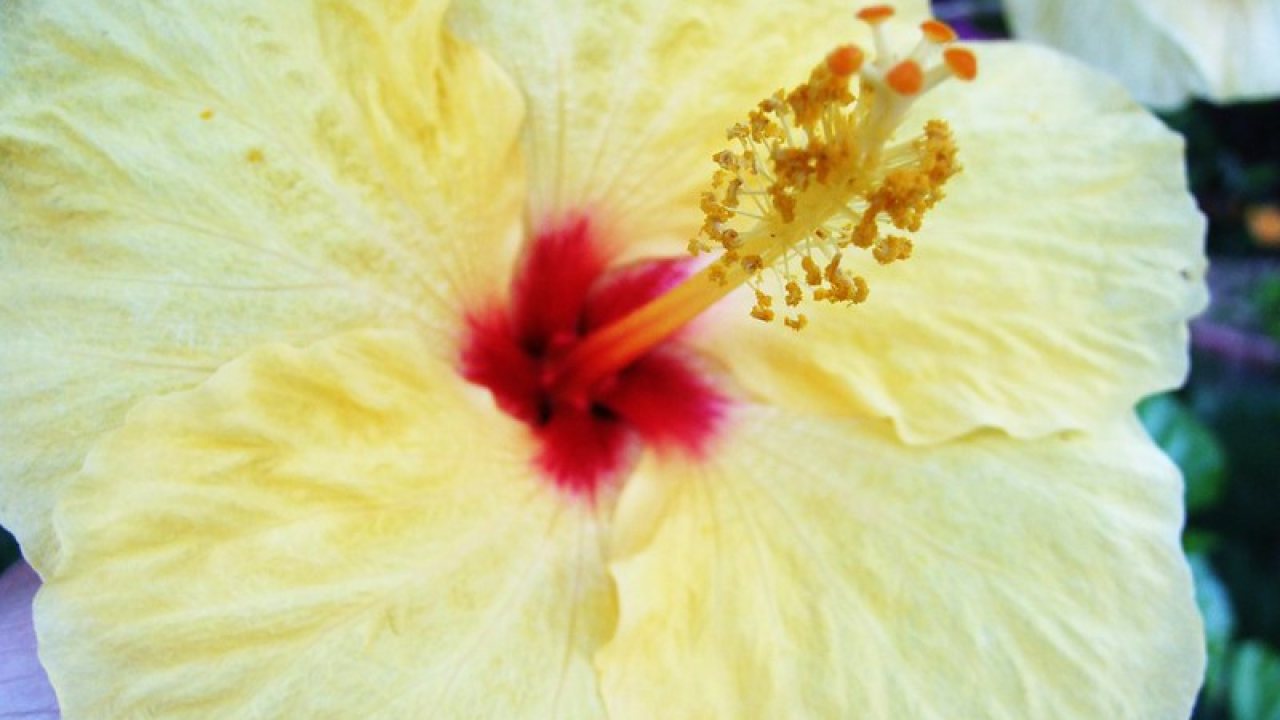
Hibiscus petal and leaf, amla and curry leaf, with bhringraj underneath. Hibiscus is ₹300–₹500 a kilo and is the most expensive herb I buy, because it is mostly petals and grinds down to a small volume. Curry leaf is almost free if you have a tree, and ₹150–₹200 a kilo dried if you do not.
For conditioning and volume
This is the one salons order. Hibiscus, a little amla, a mucilage herb for slip, and a small portion of rice flour or a clay for body. This mask rinses easiest, and customers with fine hair say it gives lift without oil.
Neem goes into all three at 5–10% for the scalp, more in the version I sell to customers who mention dandruff. It smells strongly, so I balance it with a pinch of dried rose or a drop of essential oil in the packed powder.
The methodMaking one batch, from mandi to pouch
- Buy whole, not powderedPre-ground herbs from a shop have been sitting for months and often carry filler. Buy dried whole leaves and fruit and grind them yourself. 500 g of each herb is enough for your first 3 kg of mask.
- Dry againEven "dried" herbs from the mandi hold moisture. Spread them on a tray in the sun for a day, or in an oven at its lowest setting for an hour. They should snap, not bend.
- Grind in small loadsA mixer grinder jar filled a third full, in twenty-second pulses so the motor does not heat the herbs. Heat browns the powder and dulls the smell.
- Sieve twiceOnce through a regular flour sieve, then through 80-mesh cloth. What stays behind goes back in the grinder. Expect to lose 10–15% as fibre you cannot grind; it goes in the compost, not the pouch.
- Blend by weightWeigh each herb into a large dry bowl and mix with a dry spoon for five full minutes. A blend that is not mixed evenly gives one customer a bhringraj mask and the next a methi one.
- Test on your own hairMix 25 g with warm water, apply, leave thirty minutes, rinse. Note how it feels going on, how long it takes to rinse, and how your hair feels the next morning. Adjust before you pack anything.
- Pack on a dry dayStand-up zipper pouches or wide-mouth jars, filled by weight, sealed the same hour. Label with the date and a nine-month best-before.
The course films each of the four recipes, then a full lesson on how to apply an ayurvedic hair mask, because the application card you put in the pouch decides whether the customer gets a result or a clogged drain.
CostsWhat a 100 g pouch costs to make
| Item | Per pouch |
|---|---|
| Hibiscus, amla, bhringraj, curry leaf, neem (about 115 g bought for 100 g sold) | ₹41 |
| Stand-up zipper pouch, 150 g size | ₹8 |
| Printed label and instruction card | ₹5 |
| Electricity, sieving cloth, silica sachet | ₹3 |
| Wastage, the fibre that will not grind | ₹5 |
| My time, 4 hours at ₹150 for 30 pouches | ₹20 |
| Cost per pouch | ₹82 |
At ₹249 a pouch that leaves ₹167 before you count the ₹40 courier, which the customer pays on most orders under ₹500. The first 3 kg batch, including the sieve, a scale and the pouches, is a ₹3,500–₹4,000 outlay, and you will have herbs left for a second batch.
Where the money is lost is the time line. If you grind in a small jar with a lot of stopping, four hours becomes eight, and your pouch costs ₹100. A second mixer jar reserved for herbs alone, ₹400, paid for itself in the first batch.
The customer does not pay for the herbs. She pays for the fact that it rinses out in two minutes. — the lesson from my first returned pouch
SellingPouches to households, kilos to salons
Households buy 100 g pouches at ₹199–₹299 and a set of three for ₹649. My retail customers arrive through WhatsApp, and almost all of them started as a "which mask should I use" question from a friend of a customer. I answer with a question about their hair, not a price list, and that is the whole technique. Rahul wrote the message-by-message version in selling on WhatsApp and Instagram.
Salons are the second channel and the one that pays the rent. A parlour in Faridabad doing hair spa treatments uses 40–60 g per client and charges ₹800–₹1,500 for the service. She buys the conditioning mask from me at ₹1,600 a kilo, in a plain 1 kg jar, and I do not put my brand on it. Two salons ordering a kilo a month is ₹3,200 of reliable income before a single Instagram post.
Pricing for salons is a different exercise; there is a worked example in how to price your handmade products. The short rule is that the kilo price must still clear ₹800 above your cost, or the salon is getting your time for free.
Put a small card in every pack: how much powder, how much warm water, add a spoon of curd for dry hair or a spoon of oil for very dry hair, thirty minutes, rinse with plain water first and shampoo after. Half my early complaints were from customers who applied it to dirty hair and rinsed once.
MistakesWhat I would not do again
- One mask for all hair types. It sold, but nobody reordered, because it was average for everyone. Three masks, three concerns, three pouches in a set.
- Glass jars for courier orders. Two broke in one month. Jars are for salons and local delivery; pouches go in the post.
- Buying 5 kg of hibiscus in April. It absorbed the monsoon and I lost half. Buy 500 g to 1 kg at a time until you are packing every week.
- Grinding dandruff-strength neem in the same jar as the rest. Every mask smelled of neem for a fortnight.
- Photographing green powder on a white plate. It looked like something from a pond. Dark wood, a wooden spoon and a hibiscus flower, as in Rahul's phone photography guide.
What nextOnce the mask sells
A hair mask is a cosmetic under the Cosmetics Rules, and manufacturing cosmetics for sale needs a licence from your state drug control office. As of 2026, verify the current requirement on the CDSCO portal before you list on a marketplace; most of us sell in our own circle while the application moves.
The customer who buys a mask from you buys a hair oil next, and a shampoo after that. Those are covered in the ayurvedic hair oil business and how to make herbal shampoo at home. All three come from the same shelf of herbs.
If you want the four recipes with weights, the application lesson and the packaging and pricing walkthrough, the Ayurvedic Hair Mask course films them start to finish in Hindi and English, with a PDF companion. Buy 500 g of hibiscus and a sieve before you buy anything else.
Still unsureQuestions we get asked
Which herbs go into an ayurvedic hair mask?
How long does a dry ayurvedic hair mask powder last?
Can I sell a wet, ready-to-apply hair mask?
How much does it cost to make a 100 g hair mask pouch?
Do I need a licence to sell an ayurvedic hair mask in India?
Ayurvedic Hair Mask — Herbal Hair Mask Business Course
Learn to make salon-grade Ayurvedic herbal hair masks at home — and turn it into a business. Hindi + English · Lifetime…
Anju Mittal
Anju formulates the soap, shampoo, hair oil, face pack, perfume and bath-salt recipes GyaanShala teaches — and sold every one of them from home first, spoiled batches included. She writes the pieces about what goes in the jar, what keeps, and what a salon actually orders.
0 comments
Log in to ask a question or share what happened when you tried this.