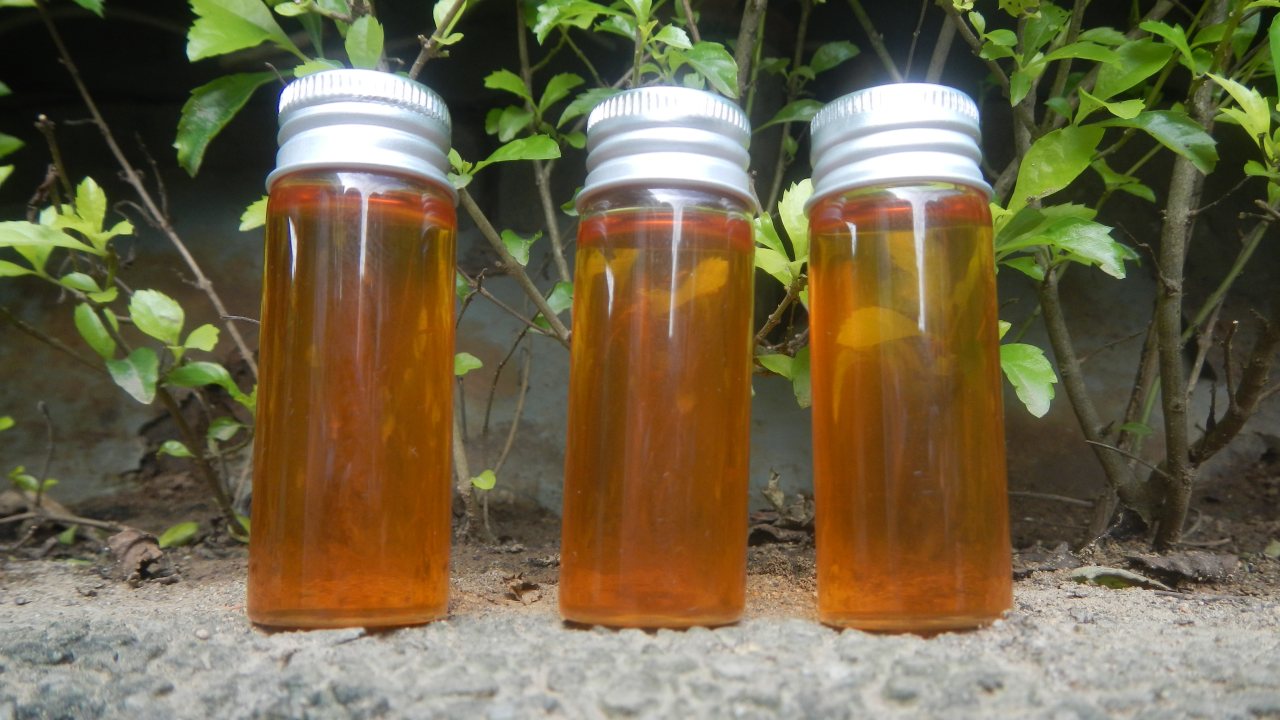
In my third month I opened a 5 litre can of bhringraj oil that had been sitting for four weeks and found grey sludge at the bottom and a sour smell on top. I had used fresh curry leaves from the tree outside, heated the oil until it looked done, and strained it once. Two litres went in the bin. An ayurvedic hair oil business lives or dies on one question, and the question is whether water got into the oil.
The short version
- Hair oil is the steadiest herbal product I sell: no preservative, no pH, a six to nine month shelf life, and a customer who buys a bottle a month from October to March.
- Spoilage comes from water in fresh herbs and from burning. Dry the herbs, heat slowly until the crackling stops, strain twice.
- A 100 ml bottle costs ₹70–₹80 from a 5 litre batch and sells at ₹249–₹349. Salons buy 500 ml at ₹800 for hair spa.
- Three oils cover most customers: a general 7-in-1, an anti-dandruff oil and a black-hair oil.
- Winter is the season. Have stock ready by the first week of October or you will be making oil while everyone else is selling it.
Hair oil was the first product I sold and it is still the one that pays most reliably. Every household in north India already buys it. Nobody needs to be persuaded that oiling hair is a good idea; their grandmother did it, they do it, the argument is over. You are only asking them to buy yours instead of the one from the chemist.
That is why I put a student on hair oil before shampoo or masks. There is no preservative to get right, no pH strip, no separation in the bottle. The whole craft is in the soaking, the heating and the straining, and it can be learnt in a weekend and then practised for a year.
It is also the product where I have thrown away the most money, and every litre I lost was lost to water or heat. So that is where we start.
Why it sellsWhy an ayurvedic hair oil business is the steadiest one to run
Three reasons. The first is season. From Diwali to Holi a family of four uses a 200 ml bottle every three to four weeks, for champi on Sundays and before every wash. My October to March sales are three times my April to September sales, and that is predictable, which means I can make stock in September and know it will sell.
The second is the salon. Every parlour in Faridabad that offers a hair spa uses 30–50 ml of oil per client, and the owner would rather buy a herbal oil she can talk about than a tin of coconut oil from the kirana. Two salons buying a litre a month between them is ₹1,600 of steady income; the whole channel is described in selling to salons and parlours.
The third is that the herbs are cheap and the base oil is sold in every market. A 5 litre batch uses about ₹1,200 of oil and ₹250 of herbs. Your first batch, with bottles and labels, is under ₹3,000, and you will not throw a drop of it away if you follow the method below.
Where it goes wrongWater, heat and the wrong base
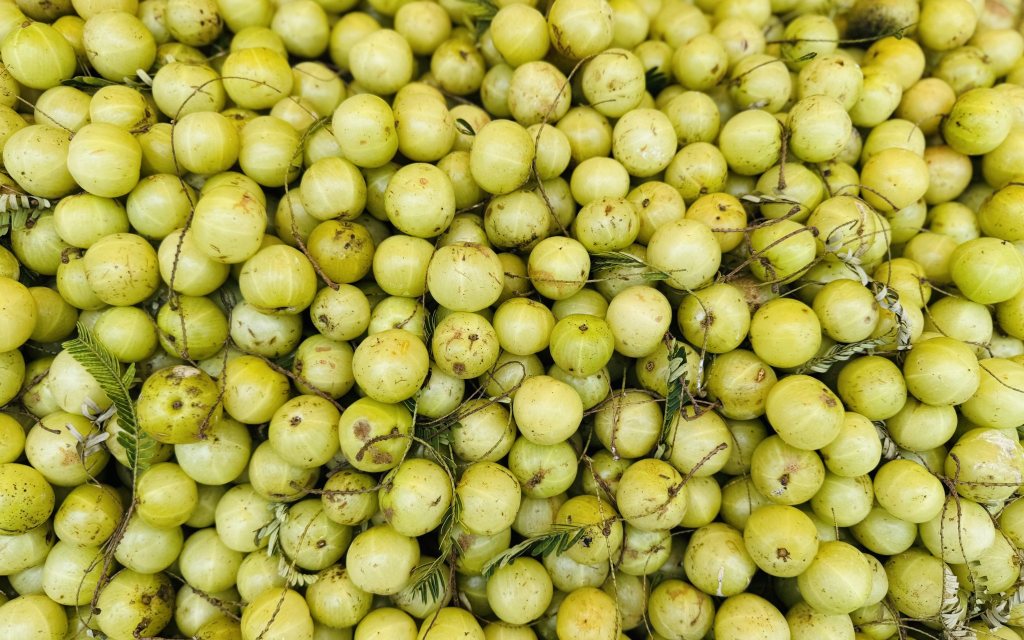
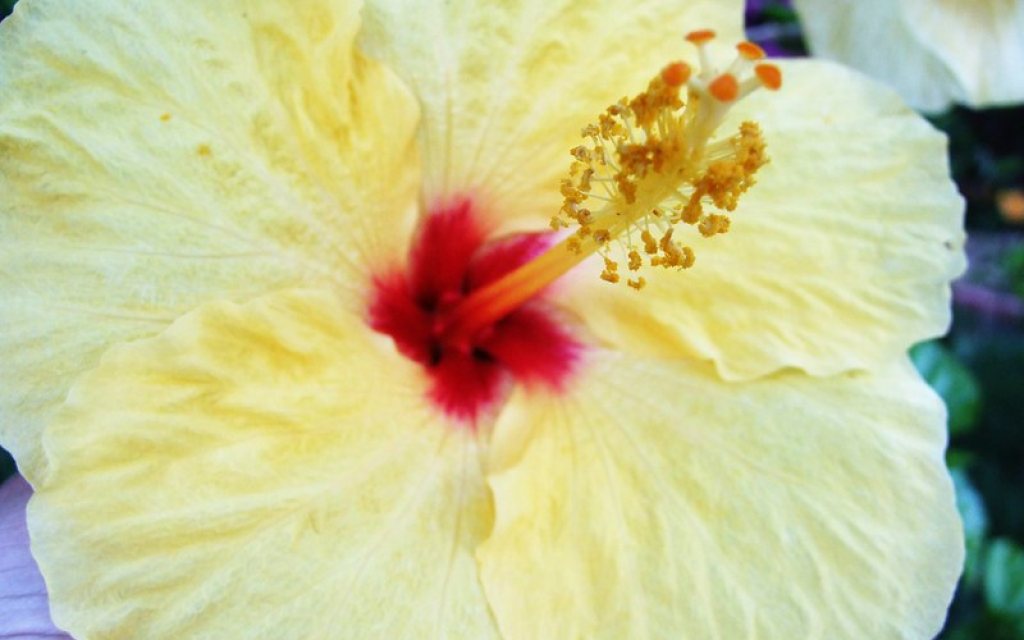
Fresh leaves are mostly water. Curry leaves, fresh amla, aloe, hibiscus flowers from the garden: all of them are 70–90% water, and when you put them into oil that water has to go somewhere. If you heat until it has boiled off, the oil is clean. If you stop early because the colour looks right, the water settles at the bottom of the can and grows what I found in month three.
Heat is the opposite mistake. Impatient heating on a high flame browns the herbs in minutes, and browned bhringraj smells like burnt tea. The oil goes dark, tastes bitter on the tongue, and no amount of rosemary oil hides it. The rule is a low flame and time, with the herbs just fizzing at the edges, never frying.
The base matters more than beginners think. Coconut is stable and expected but solidifies below 24°C, so a winter bottle looks like white wax and a new customer thinks it has gone off. Sesame stays liquid and is the traditional winter oil. Mustard is popular in Haryana, but its own smell is louder than the herbs and it goes rancid faster. A blend, mostly coconut with sesame and a little castor, behaves well through the year.
They are the method. Sun-dried curry leaves, dried amla pieces and dried hibiscus give the same colour and a far cleaner oil than fresh, and they let you make oil in July from herbs bought in March. Fresh is for your own kitchen; dried is for a bottle with your name on it.
What goes inThe base oils, the herbs and the three oils I make
Coconut oil costs ₹200–₹280 a litre in a 5 litre can, cold-pressed ₹350–₹500. Sesame ₹250–₹350. Castor ₹220–₹300. Buy the base oil from a mill or a wholesaler, not a supermarket, and check the date; oil that has sat on a shelf for a year is already halfway to rancid.
The herbs are the same shelf I use for masks and shampoo. Bhringraj ₹250–₹400 a kilo, dried amla ₹250–₹400, brahmi ₹300–₹450, hibiscus ₹300–₹500, dried curry leaf ₹150–₹200, methi ₹80–₹150, neem ₹150–₹250. You need 300–500 g of mixed herbs for 5 litres, so a 500 g pack of each lasts months. The GyaanShala store carries starter quantities and my suppliers are in where to buy raw materials.
The 7-in-1 oil
This is the flagship and the one I sell most: bhringraj, amla, brahmi, hibiscus, curry leaf, methi and neem in a coconut and sesame base. It is the general oil for a household that wants one bottle for everybody.
The anti-dandruff oil
Neem and methi carry it, with a little camphor added after straining, in a lighter base. It smells medicinal, and that is the point; the customer who asks for it wants to feel it working. It sells to men more than the other two.
The black-hair oil
Amla and bhringraj in a black sesame base, infused longer for a dark colour. Sell it on tradition and on conditioning, not on a promise to reverse grey. I explain why that wording matters in how to label handmade cosmetics.
The methodSoaking, heating and straining: the core of an ayurvedic hair oil business
- Dry and crush the herbsSpread everything on a tray in the sun for a day, even herbs sold as dried. Crush the amla pieces and the bhringraj coarsely; fine powders burn faster and are harder to strain.
- Soak overnight in a little of the oilPut the herbs in a steel vessel, cover them with about a litre of the base oil, lid on, and leave eight to twelve hours. The colour starts moving before any heat is applied, and soaked herbs burn less.
- Add the rest of the oil and heat lowThe lowest flame the stove has, with a diffuser plate if you have one. The oil should never smoke. Stir every few minutes. This stage takes two to three hours for 5 litres.
- Listen for the crackle to stopWater in the herbs crackles as it boils off. When the crackling stops, the herbs go crisp and the froth settles, the water is gone. That is the finishing signal, not the colour.
- Cool, then strain twiceCool to warm, strain through a muslin cloth into a clean dry vessel, then again through a finer cloth or a coffee filter. Any sediment left will settle in the bottle and look like contamination.
- Add the finishing touchesCamphor or an essential oil goes in now, at 0.5–1%, when the oil is below 40°C. A few ml of vitamin E per litre slows rancidity.
- Rest in a can for a week before bottlingFine particles you could not see settle in the first days. Decant off the top, leave the last centimetre, and fill bottles from that.
The course films the soaking and the heating on camera, makes the anti-dandruff oil during the heating lesson, then builds the black-hair oil and the 7-in-1 as complete recipes, and follows with a lesson on how to use the oil, which becomes the card you put in every parcel.
CostsWhat a 100 ml bottle actually costs
| Item | Per bottle |
|---|---|
| Base oil, 4.5 L coconut and 0.5 L sesame and castor, plus what the herbs absorb | ₹26 |
| Dried herbs, about 450 g | ₹6 |
| Vitamin E and essential oil | ₹8 |
| 100 ml amber PET bottle with flip cap | ₹12 |
| Printed label and usage card | ₹5 |
| Gas, three hours on low | ₹2 |
| Straining loss and the last centimetre in the can | ₹3 |
| My time, 4 hours at ₹150 for 50 bottles | ₹12 |
| Cost per bottle | ₹74 |
At ₹279 that is ₹205 a bottle before courier, and a 200 ml bottle at ₹449 does better still because the bottle and label do not double. Salons take 500 ml at ₹800, which is ₹430 over cost, in a plain bottle with no box. The pricing thinking, including why your time is a cost and not a profit, is in how to price your handmade products.
Glass with a dropper is ₹25–₹35 and looks better on a shelf, and I use it for the gift line only. Oil in glass in a courier bag is a refund waiting to happen.
Nobody has ever asked me which seven herbs are in the oil. Everybody has asked whether it will go solid in December. — five winters of WhatsApp messages
SellingHouseholds in winter, salons all year
My first thirty customers were the women who already asked me what I put in my hair. I gave ten of them a 50 ml bottle in September, asked them to use it for two Sundays and message me, and twelve full bottles came out of that by Diwali. A 50 ml trial costs ₹35 including the bottle and is the best marketing I have found.
From then on, WhatsApp does the work. A status on bottling day. A photo of the herbs drying. A reminder message four weeks after every sale, because a 100 ml bottle is finished in four weeks. The message templates are in selling on WhatsApp and Instagram, and the bottling-day photos come out far better with the phone photography guide.
Salons even out the summer. A parlour doing four hair spas a day uses a litre a week. Take a 200 ml bottle, ask the owner to use it on her own hair for a week, and go back. The ones who say yes stay for years.
"It went solid, is it spoilt?" "Can I use it on my daughter?" "It smells like my nani's oil." The first needs a line on the label about coconut oil in winter. The second needs an ingredient list with nothing you would not put on a child. The third goes straight into your next status.
MistakesWhat cost me litres
- Fresh curry leaves from the tree. The grey sludge. Dried, always.
- A 20 litre batch in month two. Twenty litres on a domestic stove cannot be heated evenly. Five litres is the largest batch a home flame handles well.
- Straining once. The sediment settled in the bottles and three customers thought the oil had gone off.
- Bottling the same day. A week in the can, then decant. It looks clearer and stays clearer.
- Coconut base with no explanation. A December customer returned a bottle of perfectly good oil because it was white and hard.
- Making oil in October. I was heating while my competitors were delivering. Stock is made in September.
What nextLicence, labels and the next product
Hair oil is a cosmetic under the Cosmetics Rules, and making it for sale needs a state manufacturing licence. If you label it ayurvedic and make claims about growth or dandruff, it can fall under the AYUSH system instead. As of 2026, verify the current position on the CDSCO portal before you list on a marketplace. Most of us begin in our own circle while the paperwork moves, and keep the label to what the oil contains and how to use it.
The same herbs and the same customer take you next to the ayurvedic hair mask business, which is dry and simple, and then to herbal shampoo at home, which is harder. Oil, mask, shampoo, in that order, is how one ₹279 customer becomes a ₹900 one.
If you would rather watch the crackle stop than read about it, the HairOil Shala course films the soaking and heating, the anti-dandruff, black-hair and 7-in-1 oils, how to use them, the packing and filling, and the pricing and selling, with a bilingual English and Hindi recipe guide. Make 5 litres in September. Keep one bottle back. Sell the other forty-nine by Holi.
Still unsureQuestions we get asked
Which base oil is best for ayurvedic hair oil?
How long does homemade ayurvedic hair oil last?
Why does homemade hair oil go rancid or smell bad?
What does it cost to make a 100 ml bottle of herbal hair oil?
Do I need a licence for an ayurvedic hair oil business in India?
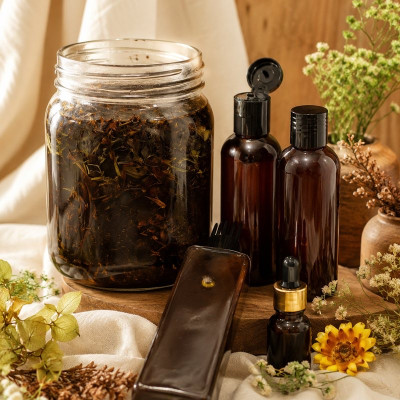
HairOil Shala — Ayurvedic Herbal Hair Oil Making Business Course
Learn to make ayurvedic herbal hair oil at home the traditional way - soaking the herbs properly, heating the oil…
Anju Mittal
Anju formulates the soap, shampoo, hair oil, face pack, perfume and bath-salt recipes GyaanShala teaches — and sold every one of them from home first, spoiled batches included. She writes the pieces about what goes in the jar, what keeps, and what a salon actually orders.
0 comments
Log in to ask a question or share what happened when you tried this.