In my second August, a full shelf of glycerine soap, sixty bars wrapped in butter paper, sweated through the paper in one humid week and the labels slid off. Nothing had gone bad. It was unsellable anyway. That was the month I stopped thinking of the shelf life of handmade products as a date, and started thinking of it as a list of enemies.
The short version
- Anything with water in it spoils in days without a preservative. Anything without water keeps months.
- Four classes: dry powders and salts, oils and attars, soap, and water-based products. Only the last one is hard.
- The first thing to go is usually a fat: almond powder, milk powder, a light oil. Your nose is the test.
- Test at home with three jars in three rooms, opened on a schedule. The shortest result, less a third, is your best-before.
- Start with products that do not spoil. Learn preservation later, or never.
The question arrives in the same three words every time. Kitne din chalega. Customers ask it at the table, salon owners ask it before they will stock a kilo, and the women who message us about starting ask it most nervously of all, because they have read that homemade things go bad and nobody has told them which ones.
The honest answer is that it depends on what is in the jar, and mostly on whether water is. That one fact sorts every product we teach into a class, and the class tells you the shelf life, the packaging, the label and, if you are choosing what to make, the order to make it in.
The ruleWater decides the shelf life of handmade products
Mould, yeast and bacteria need water to grow. A product with none in it, a powder, an oil, a salt, a bar of soap, gives them nothing, and the only ageing it does is slow chemistry: fats oxidise and go rancid, scents fade, colours dull. Those things take months, and your nose catches them well before they matter.
A product with water in it, a shampoo, a gel, a toner, a wet ubtan paste, is a different thing entirely. Something will grow in it within days unless a broad-spectrum preservative is present at the right percentage, at a pH where it works, and has been tested to prove it. A fridge buys you days, not months. This is the reason our whole range is built the way it is: powders, oils, soap and salts first, and the herbal shampoo, the only water-based product I sell, last and with the most care.
Four classesWhat keeps a year and what spoils in a week
These are the figures from my own control jars, kept in a flat in Faridabad rather than a laboratory, and Meenu's for the two food rows. A wetter or hotter climate will shorten them; a dry hill town will stretch them.
| Product | Keeps for | What ends it | The sign |
|---|---|---|---|
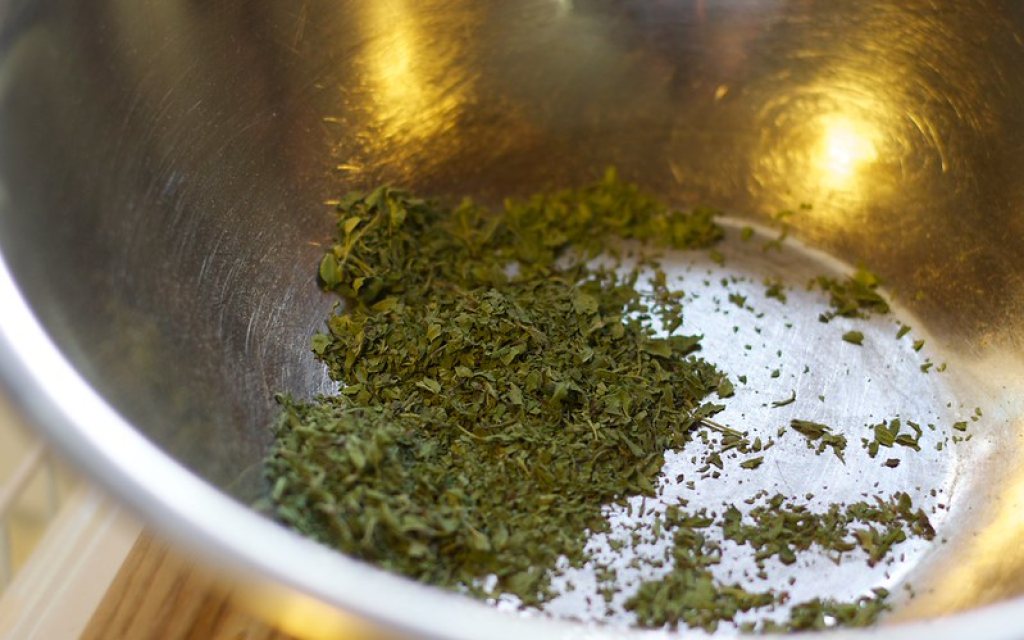
| Dry face pack, dry face wash powder | 6–12 months | Moisture, weevils in besan, a fatty addition | Caking, off smell, moving specks |
| Wax powder | 12 months | Moisture | Clumping |
| Bath salt | 12 months and more | Humidity; the essential oil fades | One hard lump, no scent |
| Melt-and-pour soap | 12 months | Sweating, scent loss | Droplets, dull surface |
| Cold-process soap, after curing | 12 months and more | Oils oxidising | Orange spots, rancid smell |
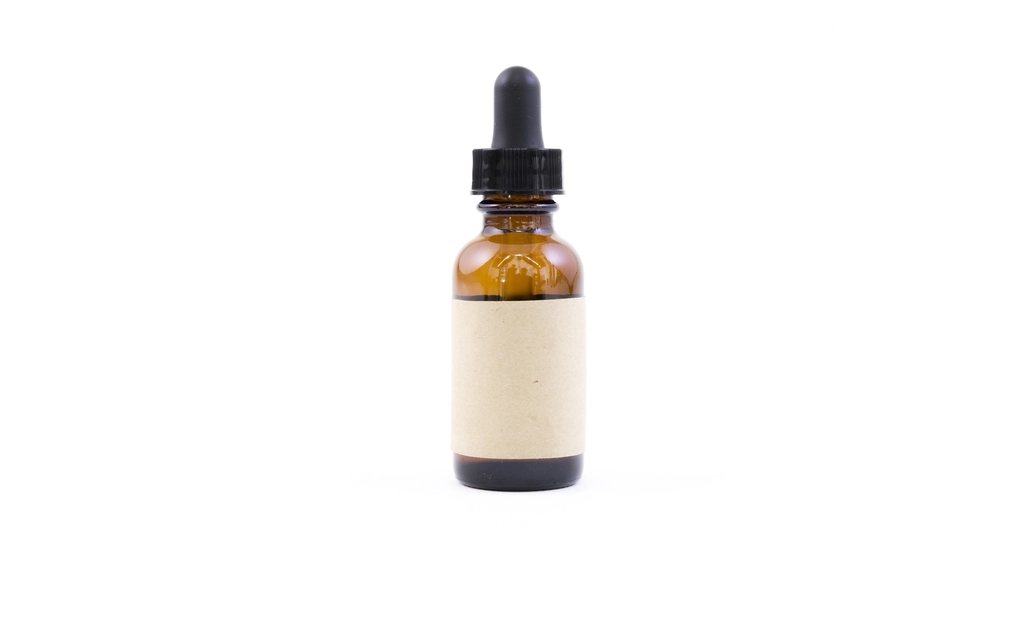
| Hair oil, coconut base | 6–12 months | Rancidity, light | Smell of old ghee, cloudy sediment |
| Hair oil, almond or sunflower base | 3–6 months | The same, faster | The same, sooner |
| Attar and roll-on, oil base | 12 months and more | Citrus top notes oxidising | Flat opening, heavier smell |
| Herbal shampoo, preserved | 6–12 months | Preservative failing, pH drifting | Thinning, separation, smell |
| Wet ubtan paste, unpreserved | 3–5 days, fridge | Mould | Grey spots |
| Fresh aloe gel | 3–5 days, fridge | Bacteria and mould | Pink or brown tint, sour smell |
| Chocolate | 3–6 months | Heat, humidity | White bloom, grainy bite |
| Squash and sharbat, sealed | 6–12 months | Too little sugar, an unclean bottle | Fizz, mould at the neck |
Look at where the line falls. Everything above the wet ubtan is a product you can make this week and sell for months. Everything from the wet ubtan down either needs a preservative you have learnt to use or belongs in a fridge with a five-day label. A beginner's whole first year can be spent above that line, and should be.
The enemiesWater, fat, air, light, heat and the wet spoon
Water. Already covered, except for the sneaky forms: honey stirred into a powder, which draws moisture from the air; a "dry" powder that came from the shop at ten percent moisture; steam from a bathroom shelf.
Fat. Every oil and every powder with oil in it is slowly reacting with oxygen. Heat and light speed it up. Coconut oil resists it best, which is why it is the base of most of my hair oils; almond and sunflower go first. Half a percent of vitamin E slows it; nothing stops it.
Air. A half-empty bottle of oil has a lot of oxygen sitting on top of it. Decant into smaller bottles as stock falls, and fill bottles to the shoulder.
Light. Sunlight through a clear bottle kills an essential oil in weeks and fades every colour. Amber glass, or a box.
Heat. The shelf beside the geyser, the kitchen windowsill, a courier van in May. A product that keeps nine months in a cupboard keeps four in a hot bathroom.
The wet spoon. The customer's, after her shower, into the jar. This one enemy accounts for more returned jars than all the others combined, and it is beaten with a scoop and one line on the label.
It is an antioxidant. It slows fat from going rancid in an oil or a balm. It does nothing at all against mould or bacteria in anything with water in it. If a recipe online says "add vitamin E as a natural preservative" to a gel, a cream or a wet pack, that recipe will grow something within a fortnight.
What spoils firstThe ingredients to watch
The product rarely fails as a whole. One ingredient in it fails, and it is nearly always one of these.
- Almond powder, milk powder, coconut milk powder. Fat, finely ground, with a lot of surface exposed to air. Three to four months in a powder before the smell turns. Keep any product with these in small batches and short dates.
- Light carrier oils. Almond, sunflower, rice bran, grapeseed. Three to six months. Coconut and castor go much longer. If a hair oil needs almond for the feel, blend it with coconut rather than using it neat.
- Besan. Not rancidity but weevils, in a monsoon, inside a sealed jar, if a single egg came in from the shop. Freeze it for forty-eight hours before mixing.
- Rose, orange peel, dried flowers. Nothing dangerous happens. The smell simply leaves, in about six months, and the customer paid for the smell.
- Citrus essential oils. Lemon, orange, bergamot oxidise within six to twelve months of opening, and an oxidised citrus oil is more likely to irritate skin than a fresh one. Buy 15 ml, not 100.
- Anything fresh. Aloe from the plant, cucumber, lemon juice, fruit pulp, milk, curd. Five days. Not a product; an evening's use.
The dry face pack and the dry face wash powder are the two products where this list bites most, because both are tempting to enrich with almond or milk, and both are the products I have written up separately: the face pack business and the dry face wash powder. Which raw materials to buy small for exactly this reason is in where to buy raw materials.
A best-before date is not a promise. It is the month your worst jar changed, less a third. — how every date on our labels is set
TestingHow I find the shelf life of handmade products at home
You do not need a lab. You need three jars, three rooms, a calendar and a notebook, and the discipline to open a jar you would rather sell.
- Fill three identical jars from one batchLabel each with the batch number, the date and the room it is going to. These jars are never sold.
- Put one in the kitchen, one in the bathroom, one in a bedroom cupboardThe bathroom jar is the customer who keeps it beside the geyser. The cupboard jar is your best case. The kitchen is in between.
- Open them at one, two and four weeks, then monthlySmell first, with your eyes shut. Then look at the surface in daylight. Then rub a little between your fingers. Then, if all three pass, a patch on your own forearm.
- Write down what you found, every time, even when it is nothingColour, smell, texture, any spots or droplets. "Same as last month" is a result.
- Stop at the first change in the worst jarIt is almost always the bathroom one. That month is the real shelf life of that product in the real world.
- Print that month, less a thirdBathroom jar changed at nine months: the label says six. At twelve: the label says eight. Never round up.
- Keep one jar from every batch you sellWhen a customer says hers has gone bad, you open yours from the same batch. If yours is fine, it was her bathroom. If yours has gone too, it was you, and you refund the whole batch before anyone else writes.
- Repeat every year, and every time the formula changesAdding 10 g of almond to a powder is a new product with a new test.
PackagingThe jar adds months or takes them away
The same powder in a paper pouch and in a PET jar with a silica sachet has two different shelf lives, and the difference is bigger than any change to the recipe. Powders and salts want a rigid, wide-mouthed jar with a lid that seals, a scoop, and a silica gel sachet under the lid; never paper, never card, never a pouch that cannot be resealed. Oils and attars want amber glass, filled to the shoulder, in a box. Melt-and-pour soap wants shrink film or cling film the day it is unmoulded, then a box; butter paper alone is what cost me sixty bars.
Your own stock wants the same care as the customer's. A steel dabba in a bedroom cupboard, not the kitchen and never the bathroom, with a silica sachet in the dabba. Jars, sachets and shrink bands are in the store, and Meenu's packaging piece covers what makes the same jar look worth its price.
For an oil, four 50 ml bottles keep better than one 200 ml bottle, because each one is opened, used and finished before the air has had long with it. Sell oils in the size a customer finishes in six weeks and let her reorder.
The labelWhat to print, as of 2026
As of 2026, a cosmetic label in India carries, among other things, the month and year of manufacture, a use-before or best-before date and a batch number, and the batch number is what links a customer's jar to the control jar on your shelf. Verify the exact wording and the full list on the CDSCO portal before you print, and read how to label handmade cosmetics in India for the rest of what the label must say.
Two things the rules do not make you print, which I print anyway. The tested date, not the hopeful one: a six-month label that holds is worth more than a twelve-month label that fails in a customer's bathroom in month eight. And a storage line: keep dry, use a dry spoon, keep away from the shower. It costs nothing and it puts the customer on your side when the jar comes back.
What to makeStart with what does not spoil
If you are choosing a first product, choose from above the line in the table. A dry face pack, a dry face wash powder, a bath salt, a melt-and-pour soap, a coconut-based hair oil, an attar: all of them keep six months or more with no preservative, no pH meter and no testing beyond the three jars. A wet product can wait a year, and for most home makers it can wait forever.
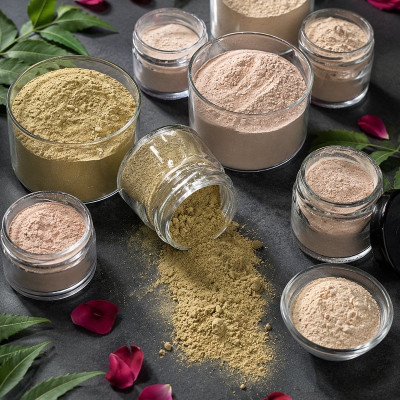
The Dry Facewash Shala course is the clearest example of a product built around this rule: four water-free formulations, a lesson on packaging and moisture control, and a shelf life measured in months rather than days. Any of the powder or oil courses would serve the same purpose. What matters is that your first hundred jars are ones that will still be good when the customer opens the last of them.
This week, take whatever you already make and fill three jars. Kitchen, bathroom, cupboard. Write the date on each. In a month you will know something about your product that no website could have told you.
Still unsureQuestions we get asked
How long do handmade products last?
Does handmade soap expire?
Do homemade cosmetics need a preservative?
How do I test the shelf life of a handmade product at home?
What best-before date should go on a handmade cosmetic label?
Dry Facewash Shala — Herbal Dry Facewash Powder Business Course
Learn to make herbal dry facewash powder at home - a water-free, preservative-free skincare product that keeps for…
Anju Mittal
Anju formulates the soap, shampoo, hair oil, face pack, perfume and bath-salt recipes GyaanShala teaches — and sold every one of them from home first, spoiled batches included. She writes the pieces about what goes in the jar, what keeps, and what a salon actually orders.
0 comments
Log in to ask a question or share what happened when you tried this.