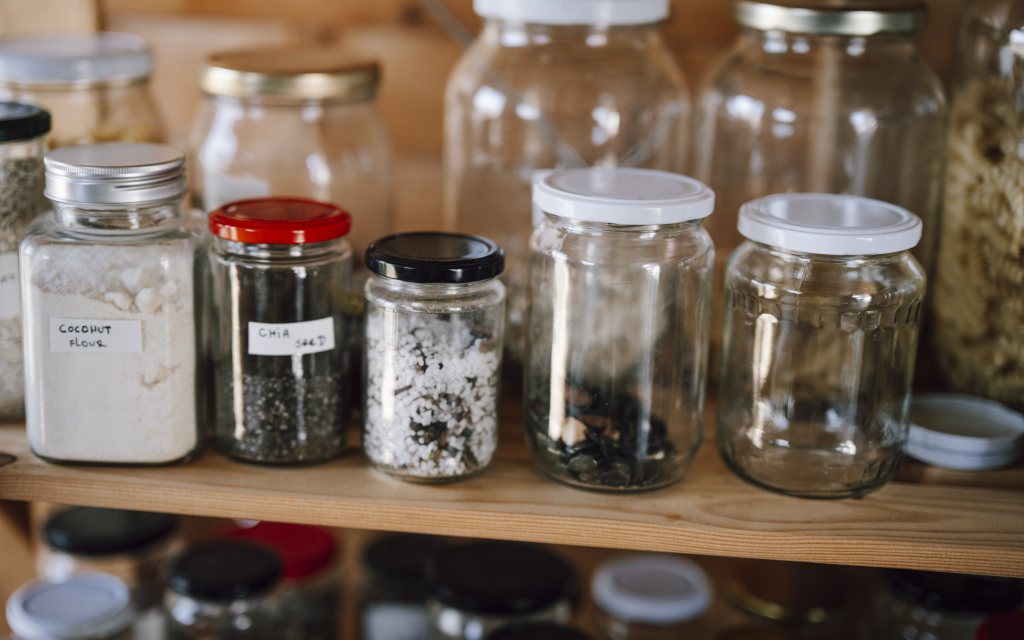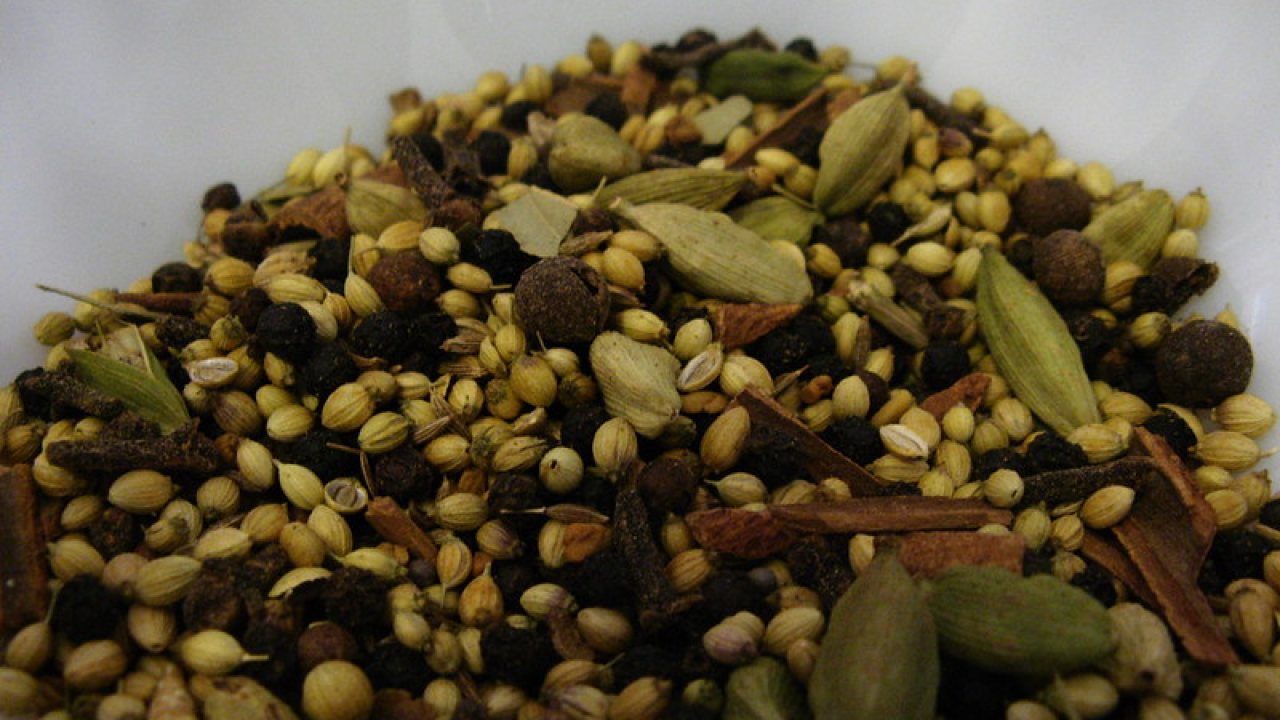
The first five kilos of whole spices I bought from Khari Baoli weighed five kilos on the shop's scale and became 4 kg 380 g of packed masala. I had promised 50 pouches on the strength of five kilos and had 43. Nobody tells you that the roast dries, the grinder eats and the sieve keeps the husk. My homemade masala business has run on a weighing scale ever since, and that 12% is in every price I quote.
The short version
- Masala is the one home food product that keeps for months, ships anywhere and gets reordered every four to six weeks. Start here if you have ₹4,000 and a mixer-grinder.
- Expect to lose 8–12% of what you buy between roasting, grinding and sieving. Cost on the packed weight, not the bought weight.
- 100 g of rajma masala costs about ₹50 in spices and pouch, ₹70 with your time, and sells at ₹120–₹160 direct.
- Grind in short pulses, in small runs, and let the powder cool before it goes near a pouch. Heat and damp are what flatten a blend.
- FSSAI basic registration before the first sale, verified on FoSCoS. The pouch label has to carry the number, the weight and the dates.
Of everything I make, masala is the product I tell a beginner to start with. Chocolate melts in transit, cake has a two-day life, squash is a summer thing. A pouch of pav bhaji masala keeps for six months, weighs 100 g, travels by India Post to a cousin in Canada, and comes back as an order every time the pouch runs out.
The catch is that everyone thinks they already know how. Every Indian kitchen grinds something. But a blend you can sell has to taste identical in March and in September, from a 500 g bag of coriander and from a 5 kg one, and that consistency is made at the scale and the sieve, not at the stove.
Why this productWhy a homemade masala business is the first one I recommend
Three reasons, all of them about the arithmetic rather than the flavour.
It keeps. A sealed, opaque pouch of roasted, ground blend holds for four to six months. That means you can make a month's stock in one weekend and sell it in ones and twos, which no cake or chocolate allows. Anju's shelf-life post puts masala near the top of the home-kitchen list for exactly this reason.
It ships. A 100 g pouch is 120 g with packaging. Ten pouches go anywhere in India by courier for ₹80–₹120 and to a relative abroad by post without a cold chain. The customer in Bengaluru is as easy as the one next door.
It reorders. A family uses a 100 g pack in four to six weeks. Once they like it, the reorder is a two-word WhatsApp message, and my repeat rate on pav bhaji and kadhai paneer is higher than on anything else I sell.
Where it goes wrongThe losses nobody prices in
1. The roast dries and the grinder eats
Dry-roasting drives off 5–8% of the weight as moisture, more in monsoon when the whole spices have taken up damp. The mixer jar, the lid and the sieve keep another 2–4%. Coriander loses husk in the sieve; black cardamom loses its skin. On a 5 kg buy that is 400–600 g gone, which is four to six pouches you have already sold.
2. Roasting everything together
Cumin is done in ninety seconds; coriander takes three minutes; dried chilli goes from fragrant to bitter in the time it takes to answer the door. Each spice goes into the pan alone, on a low flame, and out onto a steel thali to cool before anything is ground.
3. Grinding hot
A 750 W mixer running for a minute heats the powder enough that you can feel it through the jar, and heat is what carries the aroma out of the room. Twenty-second pulses, 150–200 g a run, a two-minute rest for the motor between runs. A kilo takes twenty-five minutes done properly and tastes like it.
4. One big pack
A 250 g pouch feels like better value and sits open in a customer's kitchen for three months, going flat. By the time it is finished they have forgotten who made it. 100 g reorders; 50 g trial packs recruit.
The numbersWhat 100 g of rajma masala costs to make
Rajma masala is my costing baseline because it uses fifteen spices and shows every kind of cost. These are 2026 prices from Khari Baoli in Delhi, bought at 1 kg per spice; your local wholesale market will be within 10–15% of them.
| Item | Per 100 g |
|---|---|
| Coriander seed 30 g at ₹220/kg | ₹7 |
| Cumin 12 g at ₹350/kg | ₹4 |
| Red chilli 10 g and dry mango powder 10 g | ₹7 |
| Black pepper 5 g, cloves 3 g, black cardamom 4 g | ₹11 |
| Cinnamon, bay leaf, dry ginger, turmeric, kasuri methi | ₹7 |
| Roasting, grinding and sieving loss, 8% | ₹3 |
| Gas for roasting | ₹1 |
| Stand-up kraft pouch with zipper and window, 100 g | ₹6 |
| Printed label, front and back | ₹4 |
| Material cost per pouch | ₹50 |
| Your time, 8 minutes at ₹150 an hour | ₹20 |
| True cost per pouch | ₹70 |
At ₹140 that is ₹70 over true cost per pouch. A weekend batch of 2 kg is 20 pouches, ₹1,400 in real profit for about three hours of work, and the pouches sit in a cupboard until they sell. Pav bhaji and kadhai paneer cost within ₹5 of this. Kesar milk masala is a different animal: almonds, pistachio, cardamom and 0.3 g of saffron take the material cost to ₹195–₹210 for 100 g, and it sells at ₹380–₹450 as a Diwali gifting pack.
The costing method with overheads and wastage properly laid out is in Anju's pricing guide. Masala has one wrinkle she does not cover: price on packed weight, because the 8–12% loss is the difference between profit and not.
The spicesWhat whole spices cost in 2026, and how much to buy
These are the ranges I paid across the year, per kilo, at Khari Baoli and at the spice wholesaler near the Faridabad mandi. They move with the harvest; cumin nearly doubled a few years ago and came back, so buy a kilo at a time until you know your monthly volume.
- Coriander seed ₹200–₹260; cumin ₹320–₹420; fennel ₹260–₹340.
- Red chilli, Byadgi or Guntur, ₹280–₹450; turmeric ₹180–₹260; dry mango powder ₹260–₹340.
- Black pepper ₹700–₹900; cloves ₹900–₹1,200; cinnamon ₹350–₹550; black cardamom ₹900–₹1,200.
- Green cardamom ₹2,500–₹3,500; nutmeg ₹900–₹1,200; mace ₹1,800–₹2,500; dry ginger ₹350–₹500.
- Kasuri methi ₹400–₹600; saffron ₹250–₹400 per gram.
Buying 500 g from a kirana costs 25–40% more than the kilo rate at the wholesale market, and 5 kg brings the rate down another 8–12%. The 5 kg saving is not worth it until a spice is moving through your kitchen in a month, because a bag of coriander that sits for six months loses more in aroma than you saved. Anju's sourcing post covers the wholesale markets city by city.
Rub a few coriander seeds between your palms and smell; if there is nothing, walk away. Break a cinnamon quill; it should snap, not bend. Bite a clove; it should sting. Damp spices feel cool and heavy in the hand and will cost you the roast.
The methodFrom whole spice to sealed pouch
- Clean and sort on a white thaliStones, stalks, the odd insect, discoloured seeds. Ten minutes here saves a customer finding a pebble.
- Sun or low-oven dry if there is any dampTwo hours in an afternoon sun or 20 minutes at 60°C. Damp spice will not roast evenly and will clump after grinding.
- Dry-roast each spice aloneLow flame, heavy kadhai, stirred constantly. Out the moment it smells right, onto a cool steel thali, never left in the hot pan.
- Cool completely, at least 30 minutesWarm spice grinds to paste and steams the jar.
- Grind in pulses, 150–200 g a runTwenty seconds on, ten off, the jar opened between runs to stir. Rest the motor two minutes every three runs.
- Sieve, and grind the coarse fraction againA fine steel sieve. What stays behind goes back for one more run; what stays behind twice is husk and goes to the bin. Weigh what you have now; this is your packed weight.
- Blend by weight in a wide steel bowlEach spice weighed to the recipe, mixed with a dry spoon for a full two minutes so every pouch tastes the same.
- Rest an hour, then pack cold in a dry roomFill pouches by weight, press the air out, zip, and heat-seal if you have a sealer. Label the next morning.
Your grandmother's blend is a recipe. A blend that tastes the same from two different sacks of coriander is a product. — the difference I did not understand until the third batch
PackagingPouches, moisture and what the label must say
Masala's enemies are light, air and damp, in that order. A stand-up kraft pouch with a zipper and a small window costs ₹5–₹8 for 100 g from a packaging wholesaler or the store and handles all three well enough for six months. PET jars at ₹12–₹18 look good on a shelf and let light in; glass at ₹25–₹35 is for the kesar milk masala gifting pack and nothing else.
In Faridabad's monsoon, from July to mid-September, I pack only in the morning, only in the room farthest from the stove, and never on a day something has been boiled in the kitchen. Ground spice takes up damp in minutes, and a pouch that clumps in a customer's cupboard is a pouch they do not reorder.
The label, front: name, net weight, price. Back: ingredients in descending order, your name and address, month and year of packing, best-before, the green veg mark and your FSSAI number. As of 2026, packaged food also comes under the Legal Metrology packaged-commodity rules for how the net quantity and price are declared; the requirements are on the official portals and change, so verify them rather than copying a competitor's label. My packaging post covers the look; the rules are the rules.
Packed spice is food. As of 2026 a home maker needs FSSAI basic registration, applied for on the FoSCoS portal at foscos.fssai.gov.in, before selling, and the fee and turnover band for a state licence are revised from time to time, so check the portal. Rahul's FSSAI guide walks through the form and the documents.
SellingWhere a homemade masala business finds its reorders
My first thirty customers were the society WhatsApp group and my children's school parents, with 50 g trial packs at ₹60 as the opener. A trial pack is small enough to buy without thinking and big enough for two meals, and about half of them came back for the 100 g. Rahul's WhatsApp and Instagram guide is the method; the trial pack is the masala-specific trick.
Then the relatives abroad. Every NCR family has one, and a 500 g parcel of five blends by India Post is the gift they actually want. Those orders are the highest value and the least price-sensitive I get. Sambar masala found me a whole community of South Indian families in Faridabad who could not get a decent blend locally; that is a customer group most home makers never think to look for.
At Diwali, kesar milk masala in a glass jar goes into gift hampers, mine and other makers', and a masala trio in a kraft box is a corporate gift on its own. Marketplaces come last: the margins on Amazon and Flipkart are thin for a 100 g product with a ₹140 price, and Rahul's marketplace post lays out when it is worth it. For me, that was year three.
What reorders, in order: pav bhaji, kadhai paneer, rajma, sambar, then paratha masala from families with school-going children. Kesar milk masala is a once-a-year gift and a winter pack.
What nextSix blends, exact quantities, then your own
The six I would start with are the six in the MasalaShala course: rajma, pav bhaji, sambar, kadhai paneer, paratha and kesar milk masala, each with exact quantities in English and Hindi, and then how to pack, price and sell them. It comes with a bilingual recipe guide you can keep open on the phone at the wholesale market.
Make one blend this weekend, 1 kg of whole spice, weighed in and weighed out. Write down the loss. Pack ten pouches and give three away as trial packs with a price on the label. The seven you sell tell you whether you have a product; the loss you wrote down tells you what to charge for it.
Still unsureQuestions we get asked
How much does it cost to start a homemade masala business?
Do I need FSSAI registration to sell homemade masala?
How long does homemade masala stay fresh?
Which masala sells best from a home kitchen?
Can I get spices ground at a local chakki instead of at home?
MasalaShala — Homemade Masala Making Business Course
Make six authentic homemade masalas — Rajma, Pav Bhaji, Sambar, Kadhai Paneer, Paratha and Kesar Milk — with exact…
Meenu Aggarwal
Meenu ran the chocolate, cake, masala and gift-hamper side of the family business and has assembled more Diwali orders than she can count. She writes about kitchens, packaging, festive timing and the products customers reorder.
0 comments
Log in to ask a question or share what happened when you tried this.