Two Junes ago I opened a kitchen cupboard and found a 750 ml bottle of plum squash with its cap domed like a small hill. The plums that year had been sweet, so I had cut the sugar to make the syrup less cloying. Nine bottles fermented in a 40°C cupboard. That batch is why my sharbat business now runs on a weighing scale and a calendar, and not on taste alone.
The short version
- A 750 ml bottle of rose or khus sharbat costs ₹80–₹95 to make, bottle and label included, and sells for ₹200–₹250. Fruit squash costs more and sells higher.
- Sugar is the preservative. At 60–65% of the finished syrup it keeps for months; at 50% it ferments in weeks.
- Sterilised glass, hot-filled and capped, or nothing. Every returned bottle I have ever had was a cold-filled one.
- Summer sells the volume; Holi, Ramzan, Diwali hampers and wedding mocktail counters sell the rest of the year.
- FSSAI basic registration before the first sale, verified on FoSCoS, with the number on every label.
Every Indian household already knows squash: the Roohafza bottle at iftar, the khus in a steel glass in May, the lime cordial at a wedding lunch. What a home maker sells is the version without the artificial colour, in a bottle that looks like a gift, at a price that is fair because the sugar cost ₹29.
The trouble is that squash is deceptively easy. Anyone can boil sugar into rose water and pour it into a bottle. Making 40 bottles that taste identical, keep for three months and arrive without a cracked cap in a courier box is a different skill, and it is the one that pays.
Where it goes wrongFour ways a sharbat business gets a bottle returned
1. Sugar cut for taste
The sugar in a squash is not for sweetness; it is what stops yeast and mould growing. Drop it to make the syrup lighter and you have made a drink with a three-week life that you are selling as a three-month product. Dilution is where the customer adjusts sweetness, not the bottle.
2. Bottles washed, not sterilised
A rinsed bottle carries whatever was in the tap water and on the drying rack. Ten minutes in boiling water, or fifteen in an oven at 120°C, then filled while both bottle and syrup are hot. Cold syrup into a cold bottle is how a batch goes cloudy in a week.
3. Selling plum squash in October
Fruit squashes are made when the fruit is cheap and sold when people are thirsty. Aloo bukhara at ₹160 a kilo in June is a good product; the same plums at ₹320 in October are not, and by then nobody wants a cold drink anyway.
4. Pricing on the sugar
The ingredients in a rose sharbat cost under ₹50. The bottle, cap, label, seal, gas and your two hours at the stove bring it to ₹120. Price on the finished bottle, standing on a shelf, sealed, with your name on it.
The bottleWhat 750 ml of homemade sharbat costs to make
Rose is my baseline because the ingredients are shelf-stable and the price never moves with a harvest. Here it is for a batch of ten bottles on a Sunday morning, at 2026 Faridabad prices.
| Item | Per bottle |
|---|---|
| Sugar 650 g at ₹45/kg | ₹29 |
| Rose water 100 ml and rose essence 2 ml | ₹18 |
| Citric acid 5 g and food colour | ₹2 |
| Water, gas, 20 minutes at the boil | ₹6 |
| Glass bottle with cap, 750 ml, case of 24 | ₹24 |
| Printed label and tamper seal | ₹6 |
| Breakage and spill, 4% | ₹4 |
| Material cost per bottle | ₹89 |
| Your time, 12 minutes at ₹150 an hour | ₹30 |
| True cost per bottle | ₹119 |
That bottle sells at ₹200–₹250 direct in Delhi-NCR, which is ₹80–₹130 over true cost, or roughly ₹12 a glass for the customer, about what a branded syrup costs, for a bottle with real rose in it and your name on the label. Aloo bukhara or plum squash comes in at ₹130–₹145 in materials because of the fruit, and sells at ₹280–₹350. A badam khas-khas thandai concentrate costs ₹200–₹230 for 750 ml, almonds being what they are, and sells at ₹450–₹600 in the fortnight before Holi.
Bottles are the line that swings. A 750 ml glass bottle is ₹18–₹30 by the case from Sadar Bazaar, online or the store, and ₹35–₹45 bought singly; a 200 ml gifting bottle is ₹10–₹14. PET is ₹8–₹12 and looks it. The label is the other ₹3–₹6 that decides whether the bottle reads as a product; my packaging post covers what a label needs to look bought. For a pricing method that includes wastage and overheads, use Anju's pricing guide.
The ratioSugar is the shelf life
The rule I work to: the finished syrup should be 60–65% sugar by weight. For a squash diluted one to four, that means about 650 g of sugar for every 400 ml of fruit juice or infusion, boiled until clear and a drop holds its shape on a cold plate. Citric acid, about 5 g a bottle, sharpens the taste and lowers the pH so nothing grows.
Made that way, hot-filled into a sterilised bottle and capped, a sealed bottle keeps two to three months in a cool cupboard and four to six weeks in the fridge once opened. That is the shelf life I print, and I have not had a bottle return since the plum year. Commercial squashes add a permitted preservative to reach a year; if you do, the limit is set by FSSAI standards and it must be declared on the label. I sell without and print the honest date.
A kitchen cupboard at 38–40°C is an incubator. Below 55% sugar the syrup starts to ferment within two to three weeks: a faint fizz on opening, then a domed cap. A domed cap is not still fine; it is thrown away, and so is the rest of that batch. Keep sealed stock in the coolest cupboard in the house, off the floor, away from the stove.
The methodTen bottles on a Sunday morning
- Sterilise the bottles firstTen minutes in a rolling boil, or fifteen in the oven at 120°C, caps in the boiling water for two. Leave them upside down on a clean cloth until you fill.
- Prepare the baseRose water and essence for rose; khus essence for khus; strained juice for lime cordial; plums simmered and pushed through a sieve for aloo bukhara. Weigh the base, because the sugar is calculated from it.
- Dissolve the sugar in water and bring to a boilSugar and an equal volume of water in a steel patila, stirred until clear, then a full boil for eight to ten minutes. Skim the froth.
- Add the base and the acid, boil again brieflyTwo to three minutes for rose and khus. Fruit bases get five, then the whole thing is strained through muslin so the bottle stays clear.
- Colour and essence last, off the heatEssence boils away; add it once the syrup is off the flame.
- Hot-fill through a steel funnelSyrup above 85°C into a hot bottle, filled to 2 cm below the neck. Wipe the rim.
- Cap, invert, coolCap immediately, turn the bottle upside down for two minutes so the hot syrup sterilises the cap, then stand it up to cool overnight.
- Label the next morningName, ingredients, net volume, dilution, your FSSAI number, packed-on and best-before dates. Photograph the row of ten before they go anywhere.
A customer tastes the rose. A customer reorders because the bottle was still clear in August and the cap came off without a fight. — what the second summer taught me
The calendarHow a sharbat business sells all year
Summer is where the volume is. In my book, April to June is 60% of the bottles, and a hot May can double a week. But the reason this is a business and not a summer hobby is that the same kitchen and the same customer list sell something every month.
- Holi, March. Badam khas-khas thandai concentrate, 500 ml and 750 ml. Orders come in the two weeks before, from families and from housing-society Holi committees buying ten at a time.
- Ramzan. A rose sharbat in the Roohafza style is the iftar bottle. Sell it in 750 ml, and expect repeat orders through the month.
- April to June. Rose, khus and lime cordial, the three that go into a steel glass with ice. Plum and aloo bukhara from the second week of June when the fruit price drops.
- Rakhi and Diwali. 200 ml bottles, two or three flavours, tied into a gift hamper. A bottle of homemade squash in a hamper is the item people mention afterwards.
- Weddings, November to February. Virgin mint mojito syrup for mocktail counters, in litre bottles, sold to the family or the caterer. One wedding takes eight to twelve litres.
My festive calendar has the dates and the lead times for every one of these.
SellingThe first forty bottles, and what reorders
My first customers were my society's WhatsApp group in the first week of April: one photo of three bottles against a white wall, a price, and the line "makes 18 glasses". Twenty-six bottles in four days, because the price per glass did the arithmetic for people. Rahul's WhatsApp and Instagram guide is the method; the price-per-glass line is the sharbat-specific trick.
Kitty parties and summer stalls come next. A table at a society fete in May with chilled samples in paper cups sells 30–50 bottles in an afternoon, and the sample cup costs ₹1.50. Wedding mocktail orders arrive by word of mouth in year two; a caterer who has tasted your mojito syrup will call you.
What reorders: rose and khus, every summer, from the same forty families. Lime cordial reorders from the ones who use it in cooking. Thandai is once a year, and plum is a June thing. Fancy flavours get bought once as a gift and rarely again, so keep the range to five and make them well.
"₹220 for 750 ml" is a hard number for a buyer; "₹220, makes 18 glasses, ₹12 a glass" is an easy one. Put the glass count on the label and in every caption.
PaperworkFSSAI and what goes on the label
Squash is packaged food. As of 2026, a home maker selling it needs FSSAI basic registration through the FoSCoS portal at foscos.fssai.gov.in, with the 14-digit number on every bottle. The fee and the turnover band that moves a business from registration to a state licence are revised from time to time, so verify them on the portal, not on a forum and not here. The full process, documents and all, is in Rahul's FSSAI guide.
The label carries the product name, ingredients in descending order, net volume, dilution instructions, your name and address, the date of packing, a best-before and the FSSAI number. A ₹4 sticker from a local printer does the job. Homemade squash is on the shorter-shelf-life end of what a home kitchen sells; Anju's shelf-life post puts it beside the products that keep for a year, which is useful when you plan a range.
What nextEight recipes, then your own
The Squash Shala course films eight of these start to finish: aloo bukhara squash two ways, lime cordial, a Roohafza-style rose sharbat, khus, badam khas-khas thandai, a pure almond squash and the virgin mint mojito, with the sugar ratios, boiling and straining, bottling and storage, and then costing, pricing and selling through summer stalls, WhatsApp and festive bulk orders. It comes with a bilingual recipe guide in English and Hindi.
Start with rose. Ten bottles this Sunday, weighed, hot-filled, labelled with a real date. Give three away with the glass count written on the label and sell seven. If the seven are gone by Wednesday, you have a summer business; the calendar above turns it into a year.
Still unsureQuestions we get asked
Is a homemade sharbat business profitable?
Do I need FSSAI registration to sell homemade squash?
How long does homemade squash last without preservatives?
What sugar ratio should I use for squash?
How do I sell sharbat all year and not only in summer?
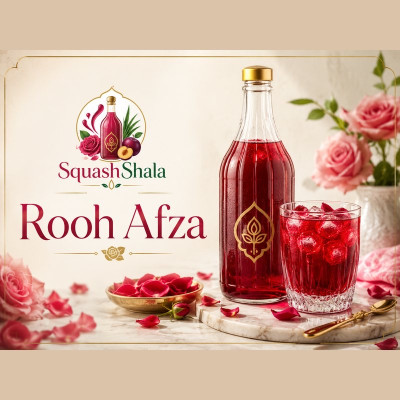
Squash Shala — Homemade Squash, Sharbat & Mocktail Business Course
Learn to make eight homemade squashes and sharbats, each filmed start to finish - Aloo Bukhara, Roohafza, Khus, Badam…
Meenu Aggarwal
Meenu ran the chocolate, cake, masala and gift-hamper side of the family business and has assembled more Diwali orders than she can count. She writes about kitchens, packaging, festive timing and the products customers reorder.
0 comments
Log in to ask a question or share what happened when you tried this.